The Evolution of Craft Beer
For two decades, American breweries multiplied at a dizzying pace. Now the numbers are shrinking, and the industry is learning what comes after the gold rush.
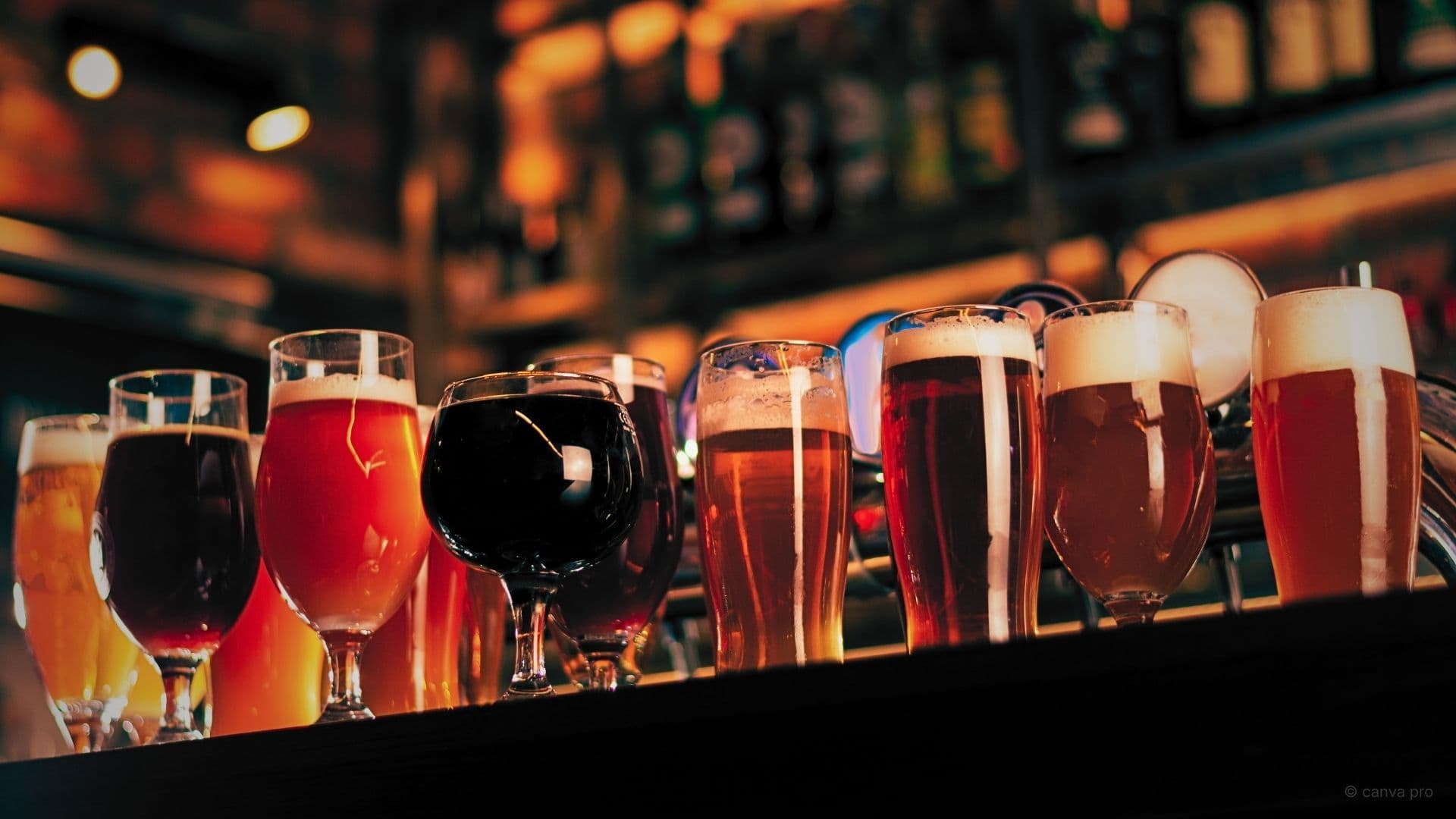
Not long ago, opening a brewery felt like a guaranteed bet. Across the United States, the number of independent breweries climbed from a few hundred in the 1980s to nearly ten thousand, a multiplication so rapid that almost every town acquired its own taproom and almost every taproom found a crowd. Craft beer was more than a product. It was a movement, a celebration of flavor, locality, and the small producer's triumph over corporate sameness, and for years the only direction seemed to be up.
Craft beer is generally defined by independence, relatively small production, and an emphasis on brewing innovation rather than mass-market consistency.
That era has ended. For two consecutive years, more American breweries have closed than opened, and production has fallen at rates not seen outside the pandemic. The headlines speak of a bubble that finally burst. Yet the full picture is more nuanced than collapse. Craft beer is not dying so much as growing up, and understanding the difference reveals where it has been, why it stumbled, and what kind of industry is likely to emerge on the other side of the correction.
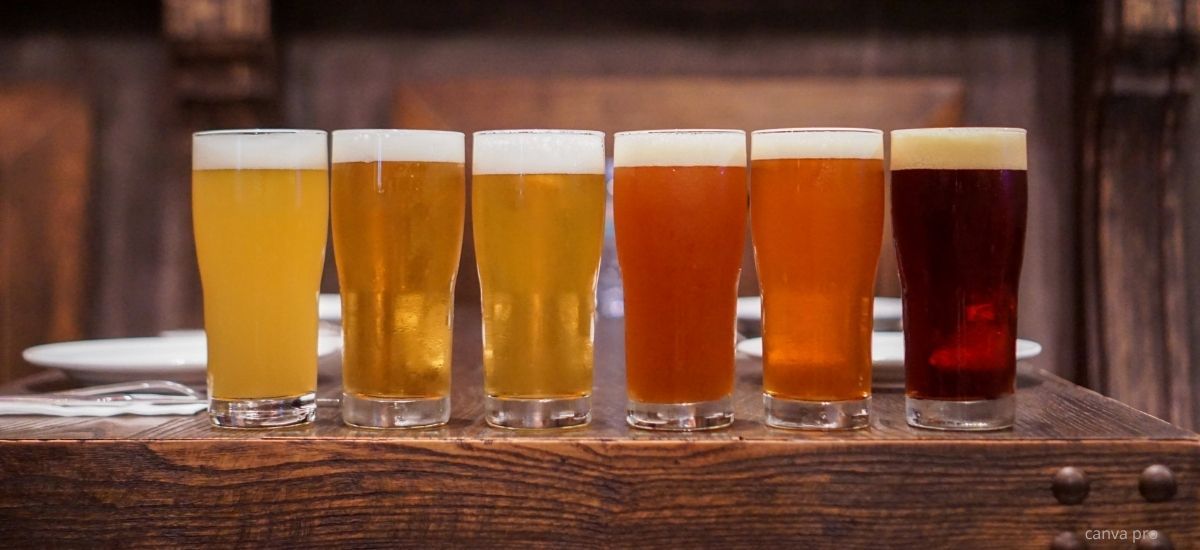
From Gold Rush to Glut
To understand the present, it helps to recall how improbable the boom was. When the modern craft movement took shape in the late twentieth century, mass-market lager dominated American drinking almost completely. A handful of pioneers bet that drinkers wanted something with more character, more bitterness, more story, and they were spectacularly right. Hoppy India pale ales, barrel-aged stouts, and experimental sours turned beer into a connoisseur's pursuit. Brewing became a respectable second career and a point of civic pride, and the brewery count eventually surpassed even the heights of the era before Prohibition.
Success, however, sowed the seeds of strain. Every promising market filled with competitors, shelf space and tap handles grew crowded, and the novelty that once drew curious drinkers became ordinary through sheer abundance. The same India pale ale that defined the movement began to inspire fatigue rather than excitement. By the early 2020s, the country had arguably more breweries than its drinking habits could sustain. The boom had not been a mistake, but it had reached its natural ceiling, and an industry built on relentless expansion suddenly faced a market with little room left to grow.
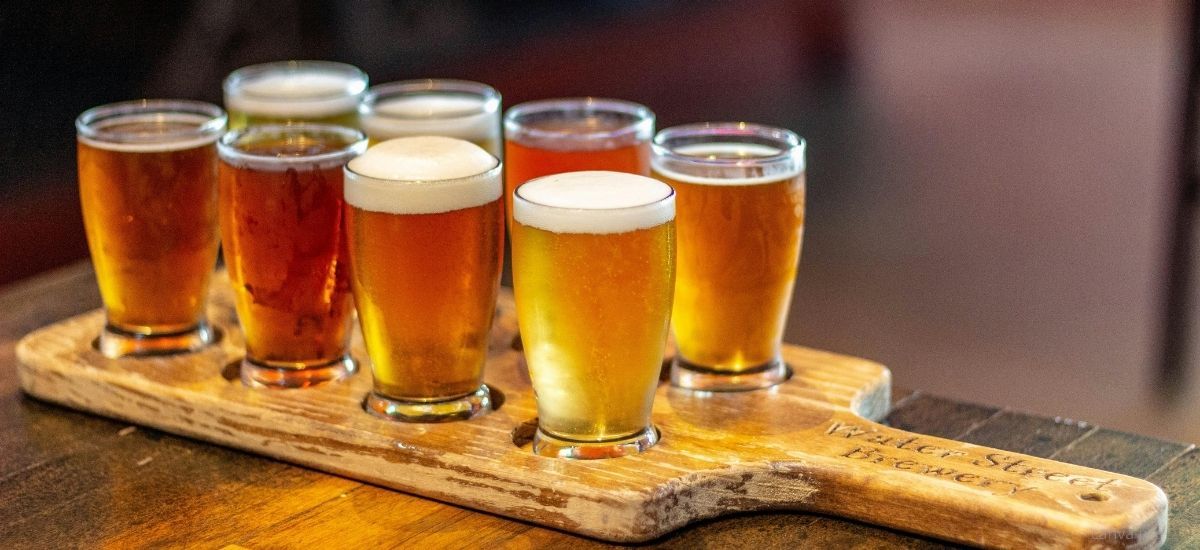
What Went Flat?
The recent numbers are sobering. Craft production declined by about four percent in 2024 and slipped further in 2025, while the count of operating breweries fell below ninety-six hundred. These contractions did not happen in isolation. Americans across the board are drinking less, with spirits and wine volumes falling alongside beer, as health concerns, moderation, and a search for wellness reshape the whole category. A generation that might once have filled new taprooms is choosing differently, gravitating toward lighter options, non-alcoholic alternatives, and ready-to-drink cocktails.
Economic pressure compounded the cultural shift. Inflation raised the cost of grain, aluminum, and labor, higher interest rates made expansion and refinancing painful, and tariffs introduced uncertainty into the supply of basic materials. Distributors, wary of slow sell-through, grew reluctant to take chances on new brands, squeezing the breweries that depend on wholesale to reach shelves. The result was a tightening vise, with demand softening at the very moment costs rose. Notably, craft still slightly outpaced the broader beer market and held roughly a quarter of beer's retail dollars, a reminder that the segment retains real loyalty even as its growth has stalled.
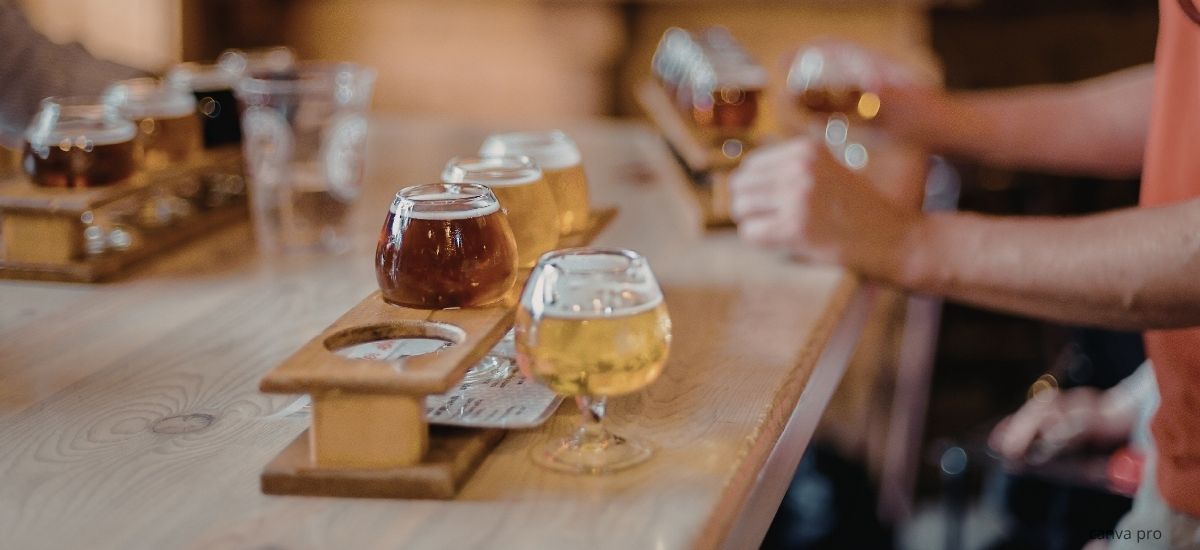
The Survivors Are Rewriting the Recipe
What separates the breweries thriving in this climate from those shutting their doors is rarely the quality of the beer. It is the shape of the business. The hardest-hit operations have been the distribution-focused microbreweries that bet on getting their cans into distant stores. The most resilient have been the smallest and most local, the taprooms and brewpubs where a brewery is also a gathering place, a kitchen, and a neighborhood fixture. In a contracting market, owning the customer relationship has proven more valuable than chasing volume across crowded shelves.
Reinvention has become the watchword. Many brewers have broadened their portfolios beyond beer, producing non-alcoholic versions that are growing at remarkable speed, along with lagers, lower-alcohol styles, and ready-to-drink beverages that meet drinkers where their tastes have moved. Others lean into hyper-local ingredients and direct sales, turning a scarcity of demand into an argument for quality and connection. The definition of a brewery itself is widening, from a factory that ships liquid into an experience that people visit. The companies adapting fastest are not abandoning craft's founding values. They are translating them for a leaner, more discerning era.
Craft beer represents a philosophy as much as a category. It emphasizes independence, brewing creativity, local identity, and a willingness to experiment with ingredients and techniques while maintaining a commitment to quality.
The Takeaway
The story of craft beer is not a tragedy but a maturation, the familiar arc of any industry that expands faster than its market can absorb. The exuberant years produced more breweries than the available demand could carry, and the correction now underway is the market searching for a more sustainable equilibrium. Painful as closures are for the people behind them, a leaner field of stronger, more thoughtful operators may prove healthier than an overcrowded one running on momentum alone. Craft has not lost its place. It has only lost the illusion that growth would continue forever.
Looking forward, there are reasons for measured optimism. Interest rates are easing, supply uncertainties may resolve, and consumers report a renewed appetite for socializing, which favors the taproom model at the heart of craft's revival. The breweries that endure will be those that treat beer as a reason to gather rather than merely a thing to sell, that embrace flavor and locality without assuming the old playbook still applies. The boom built an extraordinary culture of independent brewing across the country. The task now is to sustain it, more carefully and more creatively, in a world that no longer takes craft beer's growth for granted.
Frequently Asked Questions
What is craft beer?
Craft beer generally refers to beer produced by small, independent breweries that emphasize quality, traditional brewing techniques, and innovation over mass production.
Who defines craft beer in the United States?
The Brewers Association defines a craft brewer as one that is small, independent, and traditional, with annual production generally below 6 million barrels and less than 25% ownership by a non-craft alcohol company.
What ingredients are required to make beer?
Beer is traditionally brewed from four primary ingredients: water, malted grain (usually barley), hops, and yeast. Many modern craft beers also incorporate fruits, spices, coffee, cacao, and other specialty ingredients.
What alcohol level do most craft beers have?
Most craft beers range between 4% and 8% ABV, although imperial styles may exceed 10% ABV, while session beers often fall between 3% and 5% ABV.
Why did craft beer become so popular?
Consumers increasingly sought greater flavor diversity, local products, brewery experiences, and alternatives to mass-produced beer beginning in the late 20th century.
Is the craft beer industry still growing?
Growth has slowed considerably compared to the rapid expansion of the 2000s and 2010s. Many markets have matured, and breweries now compete in a crowded marketplace with spirits, wine, RTDs, cannabis beverages, and non-alcoholic products.
What challenges does craft beer face today?
Rising ingredient costs, distribution pressures, changing consumer preferences, increased competition, and declining alcohol consumption among younger generations have created a more difficult operating environment.