The Monastic Pursuit of Brewing Perfection
Centuries of devotion has created one of the beverage worlds most revered traditions.
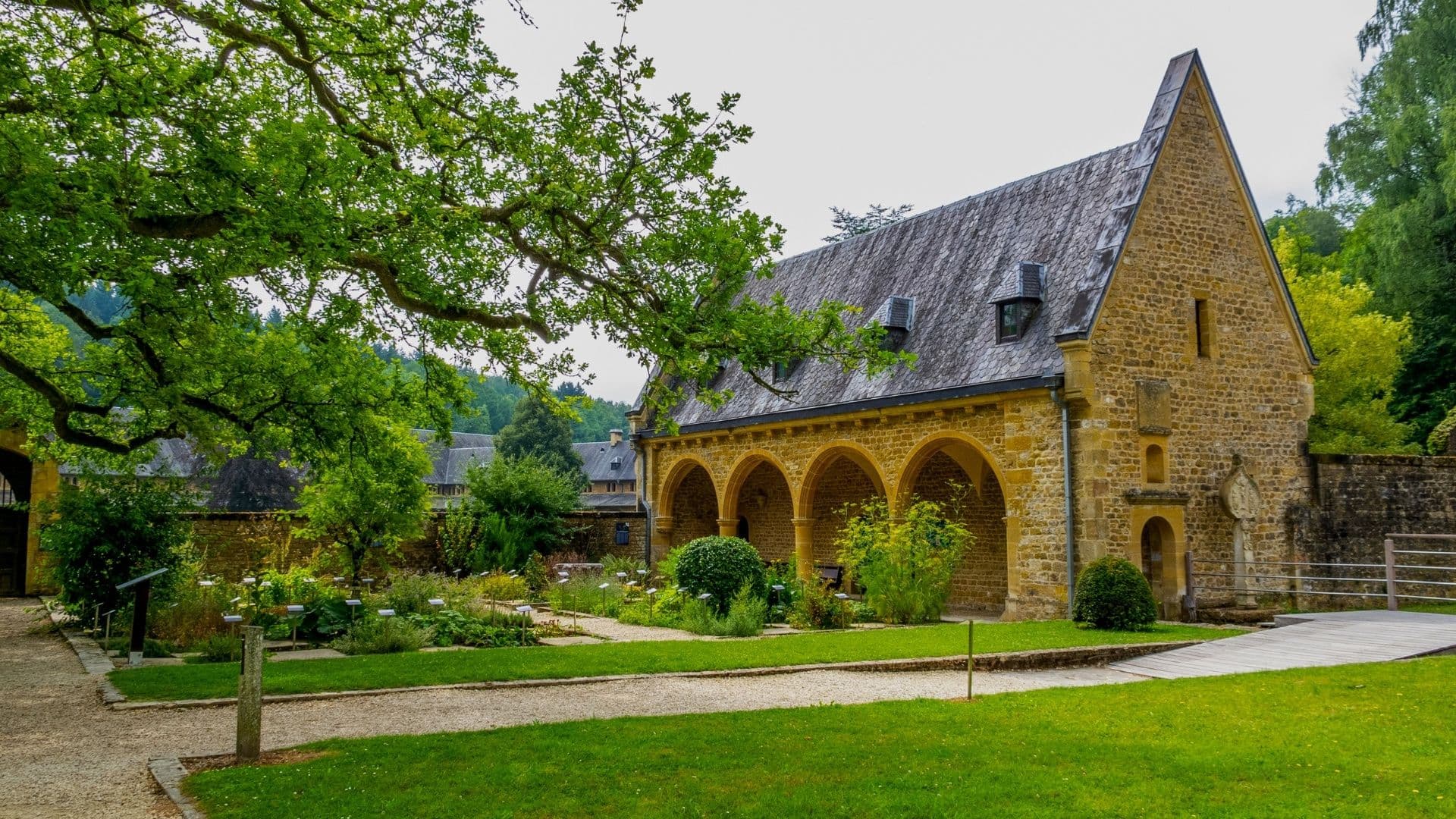
Trappist ales represent one of brewing's most extraordinary legacies, where faith, craftsmanship, and time have converged to create beers of exceptional character. Produced exclusively within the walls of Trappist monasteries by monks themselves, these ales embody a brewing tradition that spans centuries. Only fourteen breweries worldwide can legally use the Authentic Trappist Product designation, a distinction that requires production within monastery walls, under monastic supervision, with profits supporting the monastery and charitable works. This isn't marketing. This is heritage in liquid form, where every bottle connects drinkers to an unbroken chain of contemplative brewing excellence.
Brewed in silence but spoken through flavor, Trappist beer is the liquid reflection of monastic life: patient, purposeful, and profoundly human.
Sacred Origins: Beer as Prayer
The Trappist brewing tradition emerged from the Cistercian monastic reform movement in 17th century France, specifically from the Abbey of La Trappe in Normandy. These monks, following the Rule of St. Benedict, embraced self-sufficiency as spiritual practice. Brewing beer became both practical necessity and devotional act. Monasteries needed safe beverages for daily consumption when water quality was unreliable, and beer provided essential calories during fasting periods. The monks approached brewing with the same contemplative rigor they applied to prayer, developing techniques and recipes over generations. What began as sustenance evolved into mastery.
By the 19th century, Trappist monasteries across Belgium and the Netherlands had established breweries that would define entire beer styles. Today, most Trappist breweries remain concentrated in Belgium, though the designation has expanded to include monasteries in Austria, Italy, the Netherlands, and even the United States, each maintaining centuries-old commitments to quality and purpose.
Excellence Through Devotion
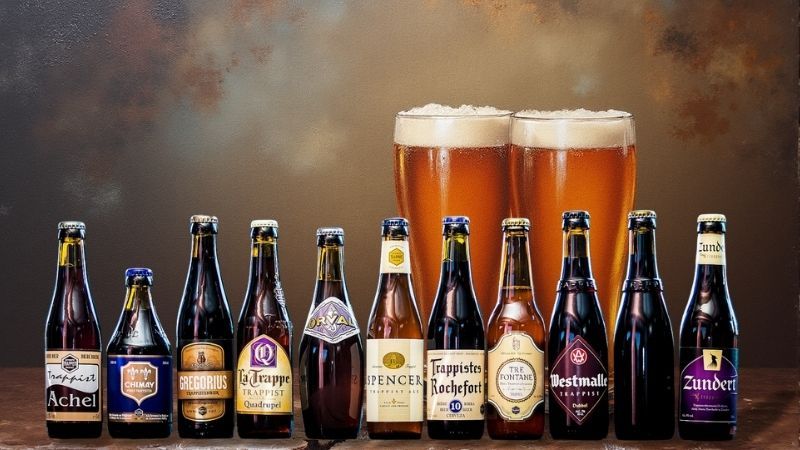
Trappist ales set benchmarks that commercial breweries aspire to but rarely achieve. The monks aren't rushing to meet quarterly earnings or expanding distribution to maximize profit. They brew according to timeless standards, using traditional methods that prioritize character over efficiency. Many Trappist ales undergo bottle conditioning, a secondary fermentation that creates complex carbonation and allows flavors to evolve over years. The beers typically feature rich malt profiles, distinctive Belgian yeast characteristics, and restrained but thoughtful hop usage. Alcohol levels often range from moderate to robust, with some reaching 10% ABV or higher. Yet despite their strength, Trappist ales maintain remarkable balance and drinkability.
The quality extends beyond the liquid itself. Trappist breweries limit production to sustainable levels, refuse to license their recipes, and reinvest profits into monastery maintenance and charitable works rather than expansion. This economic model, seemingly impractical by modern business standards, paradoxically ensures consistency and integrity that mass production cannot replicate.
History You Can Taste
When you drink a Trappist ale, you're experiencing living history. Westmalle, Chimay, Orval, Rochefort, Westvleteren - these aren't just brand names but active monasteries where monks continue centuries of tradition. Recipes have been refined over generations, with adjustments measured in decades rather than product cycles. The beers taste of place and philosophy, reflecting terroir not just of ingredients but of intention.
Westvleteren 12, frequently cited among the world's best beers, exemplifies this ethos: produced in limited quantities, sold primarily at the monastery gate, never advertised, yet universally revered. This is the antithesis of modern beverage marketing, where scarcity serves purpose rather than hype. Trappist ales prove that beer can be profound without pretension, that commercial success and spiritual mission can coexist, and that the patient accumulation of knowledge across centuries creates something no innovation cycle can rush into existence.
The Takeaway
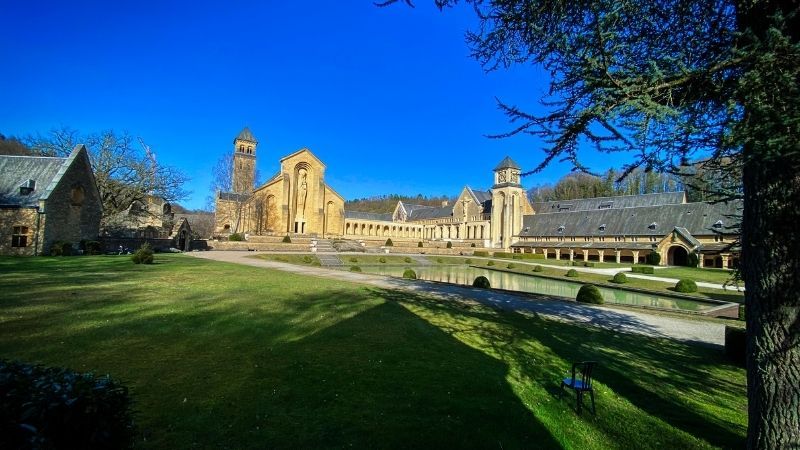
Trappist ales occupy a singular space in brewing culture, representing both historical continuity and uncompromising quality standards. These beers challenge contemporary assumptions about production, marketing, and growth, demonstrating that limitations can foster excellence. For beverage professionals and enthusiasts alike, Trappist ales offer more than exceptional drinking experiences. They provide a philosophical framework: that mastery requires time, that purpose transcends profit, and that the highest achievements often emerge when craft serves something greater than commerce. In an industry constantly chasing trends and efficiency, Trappist brewing remains a quiet reminder that some things should never be rushed, and that devotion to quality, maintained across centuries, creates benchmarks no shortcut can reach.