The Dark Beer That Conquered the World
From London's industrial revolution to Dublin's global empire, this roasted malt masterpiece transformed from porter's stronger sibling into beer's most recognizable style.

Stout represents beer's boldest expression, a style defined by roasted barley that creates distinctive coffee, chocolate, and caramel flavors while maintaining surprising drinkability despite its intimidating appearance. This dark beer emerged from eighteenth-century London's porter tradition, evolving from simply meaning "strong" to becoming a distinct category celebrated worldwide for complexity and versatility. The style's journey from British working-class sustenance to global phenomenon demonstrates how industrial innovation, marketing genius, and genuine quality can establish enduring beverage categories.
Stout's characteristic opaque black color and creamy tan head create visual drama that belies remarkable diversity, from dry Irish stouts at 4% alcohol to imperial Russian stouts exceeding 12%. Modern craft brewing has exploded stout's possibilities through pastry stouts, barrel-aging, and creative additions, yet traditional expressions remain beloved for their balance and approachability. Understanding stout means appreciating how roasted grains transform simple ingredients into complex flavors that satisfy both casual drinkers and connoisseurs.
Stout originated in eighteenth-century England as a stronger, fuller-bodied version of porter, eventually becoming its own distinct beer style.
The Alchemy of Roasted Grains
Stout's defining characteristic comes from heavily roasted barley that undergoes controlled burning similar to coffee roasting, developing complex flavors while contributing minimal fermentable sugars. The roasting process creates Maillard reactions and caramelization that produce hundreds of flavor compounds ranging from bitter chocolate to sweet toffee, depending on temperature and duration.
Unmalted roasted barley, particularly in Irish stouts, provides dry, coffee-like bitterness and distinctive sharp character that distinguishes stout from porter's softer chocolate notes. Black patent malt, roasted until nearly carbonized, contributes color and astringency, while chocolate and crystal malts add sweetness and body that balance bitter elements. The grain bill typically combines pale base malt providing fermentable sugars with 10-15% roasted grains for flavor and color, though imperial stouts may use higher percentages for intensity. Nitrogen gas revolutionized stout presentation, creating smaller bubbles than carbon dioxide that produce the style's signature creamy head and smooth mouthfeel. Water chemistry significantly impacts stout character, with Dublin's high carbonate water accentuating dry finish while London's chloride-rich water enhanced porter's fullness.
Modern brewers carefully adjust water profiles and grain combinations to achieve desired balance between roasted bitterness, residual sweetness, and supporting flavors.
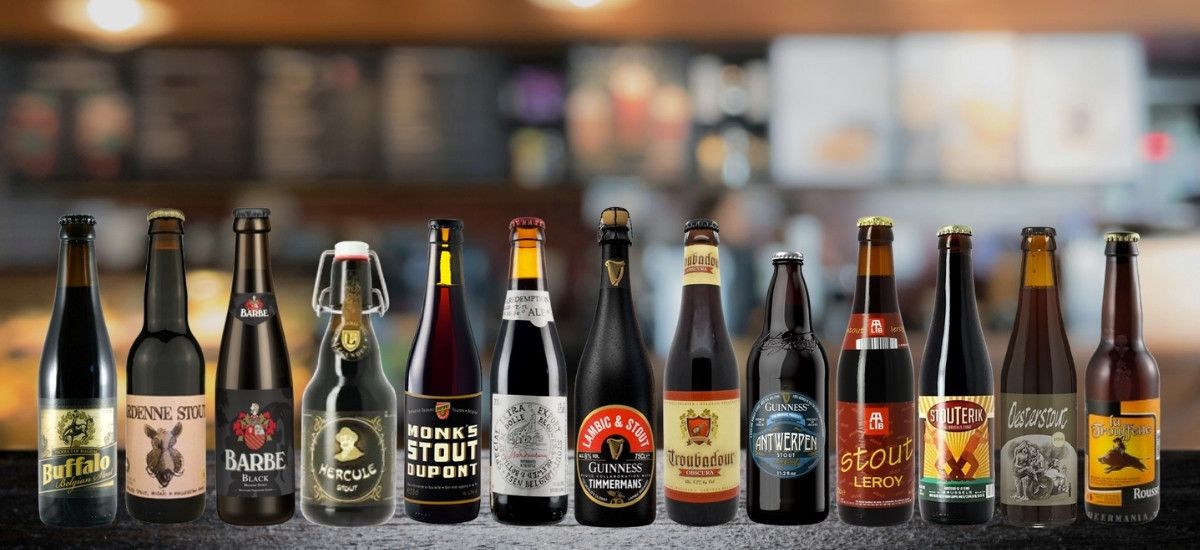
Guinness and the Globalization of Stout
Arthur Guinness's 1759 brewery lease for 9,000 years at £45 annually represents history's greatest business deal, establishing an empire that would make stout synonymous with Irish identity worldwide. Guinness pioneered industrial brewing techniques including drum roasting for consistency, scientific quality control, and global distribution networks that delivered stout from Dublin to Caribbean plantations and African colonies. The company's marketing genius created iconic campaigns from "Guinness is Good for You" to contemporary celebrations of patience during the two-part pour, establishing cultural rituals around consumption.
Foreign Extra Stout, developed for tropical markets with higher alcohol and hop rates for preservation, became Africa's favorite beer, demonstrating stout's adaptability across cultures. The brewery's influence extended beyond beer to social progress, providing employee healthcare, housing, and pensions decades before such benefits became standard, creating loyalty that enhanced brand reputation. Guinness's dominance sometimes overshadows stout's diversity, yet their success enabled the category's global recognition, inspiring countless breweries to explore dark beer's potential. The company's continuous innovation from widget cans recreating pub-perfect pours at home to alcohol-free versions maintaining characteristic flavor ensures relevance across changing consumer preferences while respecting traditional brewing methods.
Contemporary Explosion and Creative Evolution
Craft brewing's renaissance transformed stout from traditional interpretations into an experimental playground where brewers push boundaries while respecting classical foundations. Imperial stouts, originally brewed for Russian royalty, provide canvas for bourbon barrel-aging that adds vanilla, oak, and whiskey notes creating complex sipping experiences rivaling fine spirits. Pastry stouts incorporate lactose, vanilla, cacao nibs, and various confections to create liquid desserts that challenge beer definitions while attracting new audiences. Coffee stouts demonstrate natural synergy between roasted grains and roasted beans, with collaborations between breweries and roasters producing sophisticated expressions highlighting terroir from both ingredients.
Milk stouts use lactose sugar for sweetness and body, creating approachable entry points for dark beer novices, while oatmeal stouts provide silky texture and subtle complexity. American interpretations emphasize bold flavors and high alcohol, contrasting with session-strength Irish and English versions that prioritize drinkability and balance. Seasonal releases and limited editions create excitement similar to wine vintages, with rare bottles commanding premium prices on secondary markets. The style's versatility in food pairing, from oysters with dry stout to chocolate desserts with imperial versions, elevates dining experiences while challenging wine's monopoly on gastronomy.

The Takeaway
Stout exemplifies beer's capacity for complexity, cultural significance, and global appeal through a style that transforms roasted grain into liquid art ranging from everyday refreshment to special occasion indulgence. The category's evolution from porter's stronger variant to independent style with countless substyles demonstrates how consumer preference and brewer creativity drive innovation while respecting tradition. Understanding stout dispels misconceptions about dark beer being heavy or filling, as dry stouts contain fewer calories than most lagers while providing more flavor and satisfaction. The style's visual impact and approachable flavors make it ideal for converting beer skeptics and introducing complexity without overwhelming bitterness found in heavily hopped styles.
Climate change affects barley cultivation and roasting consistency, prompting adaptation in sourcing and processing while maintaining characteristic flavors that define the category. Stout's global success from Dublin pubs to Nigerian markets proves that local products can achieve universal appeal through quality, marketing, and cultural adaptation. Whether enjoying a properly poured Guinness or exploring barrel-aged imperial stouts, appreciating stout means understanding how industrial innovation, artistic expression, and cultural tradition combine to create beverages that transcend simple refreshment to become lifestyle statements.
