Beer Production: From Grain to Glass
Understanding the ancient alchemy that transforms simple ingredients into humanity's most consumed alcoholic beverage through fermentation, tradition, and technological precision.
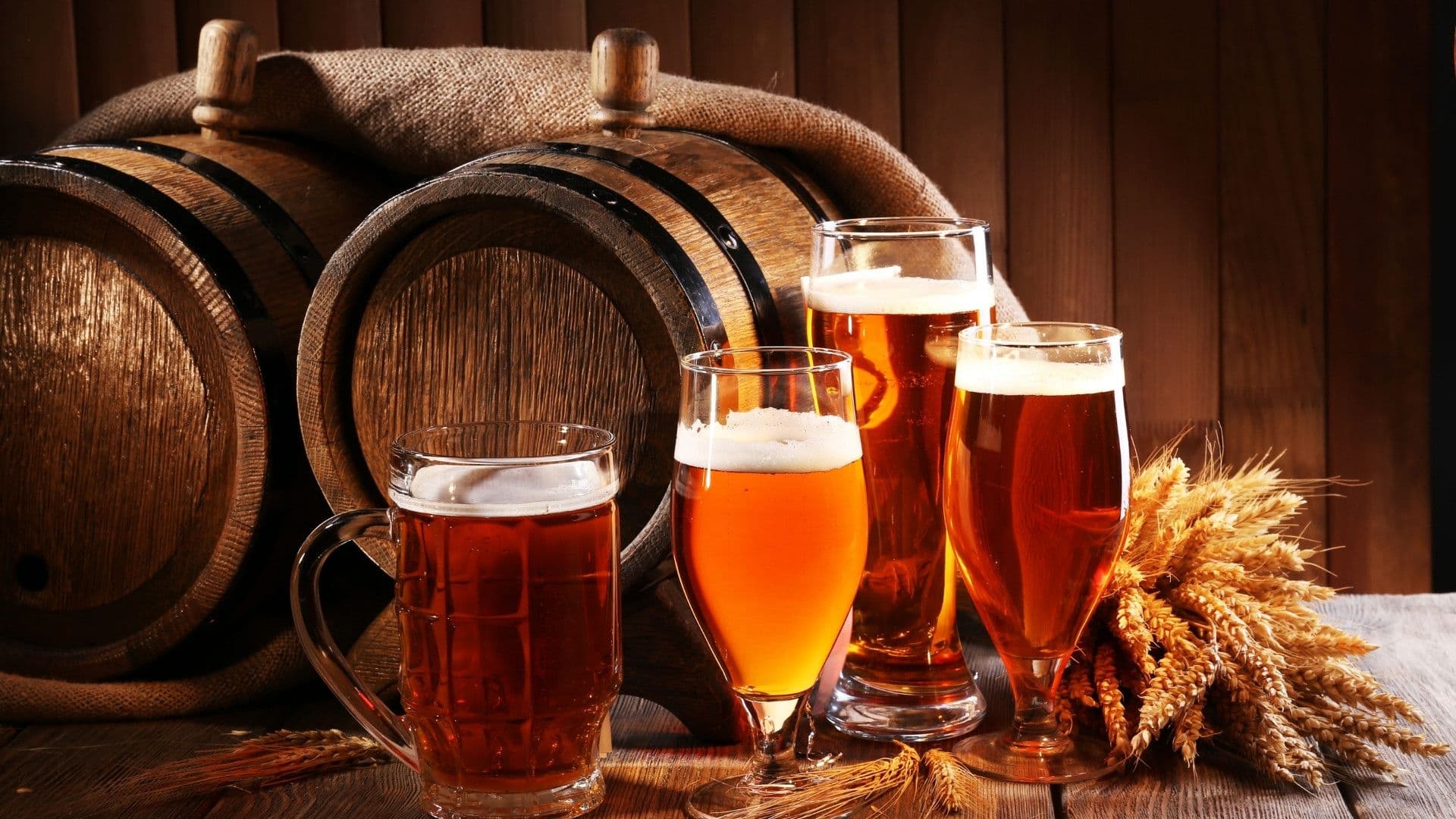
Beer represents humanity's oldest biotechnology, predating written history and anchoring civilizations from Mesopotamian temples to modern microbreweries. This fundamental beverage emerges from just four essential ingredients: water, malted grain, hops, and yeast, yet produces infinite variations through manipulation of process, proportion, and timing. The transformation of cereal grains into alcohol through controlled fermentation established foundations for biochemistry, agriculture, and commerce that shaped human development. Contemporary brewing combines traditional techniques refined over millennia with precise scientific understanding of enzymatic conversion, microbiology, and chemical reactions.
Beer production scales from home kitchens to industrial facilities producing millions of hectoliters annually, yet fundamental processes remain consistent whether crafting a delicate pilsner or robust stout. Understanding beer production provides insight into fermentation science, agricultural processing, and cultural expression through liquid form, revealing why this seemingly simple beverage maintains central importance across diverse societies worldwide.
Beer is one of the oldest beverages in human history, with evidence of brewing dating back more than 5,000 years to ancient Mesopotamia.
The Brewing Process Unveiled
Beer production follows sequential steps that convert starch into fermentable sugars, then transform those sugars into alcohol and carbon dioxide through yeast metabolism. Malting initiates the process by germinating grains, typically barley, activating enzymes that convert starches into sugars before kilning halts growth and develops flavor through Maillard reactions. Mashing combines crushed malt with hot water at specific temperatures, activating amylase enzymes that break down remaining starches into fermentable sugars, creating sweet liquid called wort. Lautering separates spent grain from wort through filtration, while sparging rinses remaining sugars from grain beds, maximizing extraction efficiency.
Boiling sterilizes wort while adding hops at various stages for bitterness, flavor, and aroma through isomerization of alpha acids and volatilization of essential oils. Cooling rapidly through heat exchangers prevents contamination and oxidation while preparing optimal temperatures for yeast addition. Fermentation occurs as yeast consumes sugars, producing alcohol, carbon dioxide, and hundreds of flavor compounds including esters and phenols that define beer character. Conditioning, whether through lagering, secondary fermentation, or barrel aging, refines flavors and clarifies beer before packaging preserves quality through filtration, pasteurization, or careful handling of live yeast.
Ales Versus Lagers: A Fundamental Division
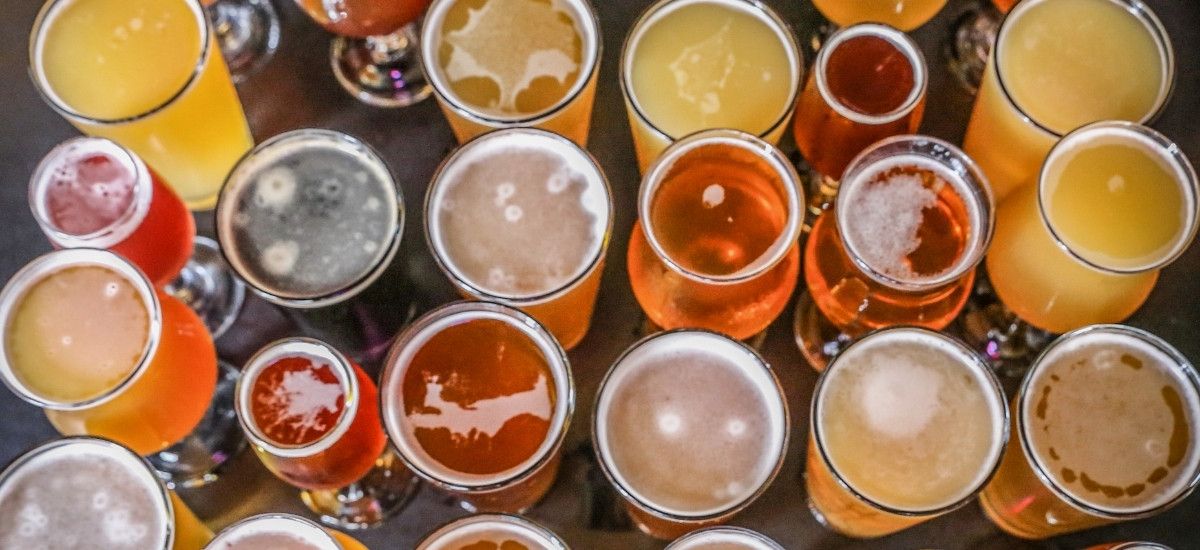
Beer divides fundamentally between ales and lagers, distinguished by yeast species, fermentation temperature, and resulting flavor profiles that create vastly different drinking experiences. Ales employ Saccharomyces cerevisiae, fermenting at warmer temperatures between 60-75°F, producing fruity esters and complex flavors within shorter timeframes of days to weeks. This top-fermenting yeast rises during active fermentation, historically allowing brewers to harvest and reuse yeast before understanding microbiology. Ale styles encompass enormous diversity from light wheat beers through hoppy IPAs to rich stouts, united by yeast-derived complexity and fuller flavor profiles. Lagers utilize Saccharomyces pastorianus, fermenting at cooler temperatures between 45-55°F, creating cleaner, crisper beers that emphasize malt and hop character over yeast contributions.
Bottom-fermenting behavior sees yeast settling during fermentation, while extended cold conditioning called lagering produces remarkable clarity and smoothness. The style emerged in Bavarian caves where cool temperatures enabled year-round brewing, revolutionizing beer production through superior stability and consistency. Modern temperature control eliminates seasonal restrictions, yet fundamental differences persist: ales offer immediate gratification and bold flavors while lagers demand patience but reward with elegant refinement.
Essential Styles and Historical Context
Beer styles evolved through geographic necessity, ingredient availability, and technological innovation, creating distinct categories that guide modern brewing and consumption. India Pale Ales originated when British brewers increased hop content and alcohol to survive sea voyages to colonial India, establishing the template for today's hop-forward styles. Belgian Trappist ales maintain monastic brewing traditions dating to medieval times, using distinctive yeast strains and sugar additions that create complex, high-alcohol beers with spiritual significance. German Reinheitsgebot, the 1516 purity law limiting ingredients to barley, hops, and water, established quality standards while inadvertently creating precise style definitions that remain influential.
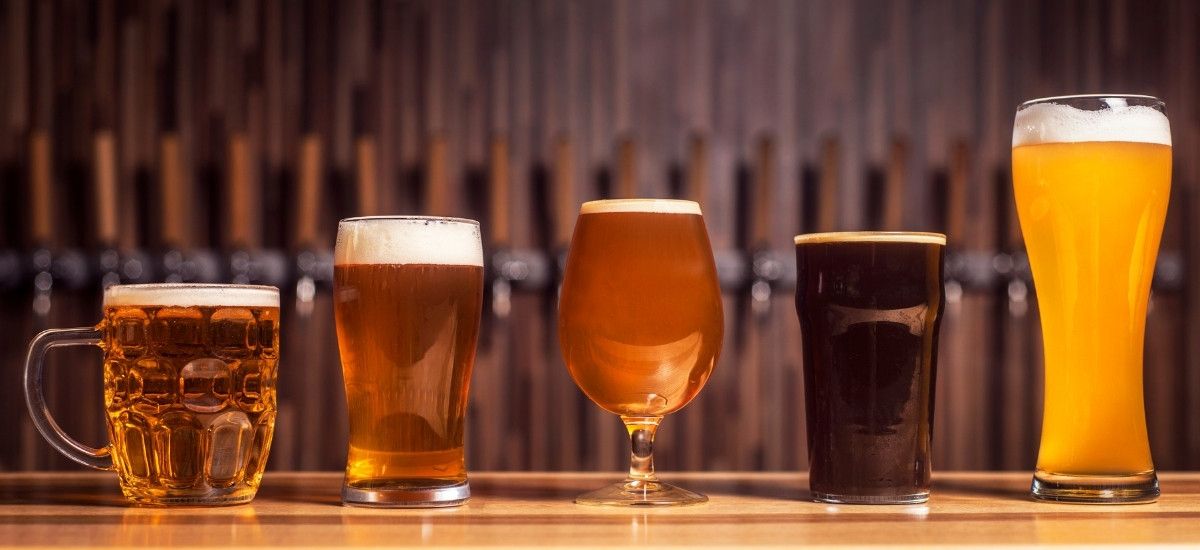
Pilsner emerged in 1842 Bohemia when German brewer Josef Groll combined pale malts, Saaz hops, soft water, and lager yeast, creating the golden, refreshing style that dominates global production. Porter and stout developed in eighteenth-century London using roasted malts that provided flavor, color, and preservation before refrigeration, evolving from working-class sustenance to craft beer cornerstone. Wheat beers, whether Bavarian Weissbier or Belgian Witbier, demonstrate grain diversity's impact on texture, appearance, and flavor, challenging barley's dominance. Understanding these historical styles provides context for contemporary innovations while respecting traditions that survived centuries through quality and cultural significance.
The Takeaway
Beer production exemplifies humanity's ability to harness natural processes for cultural expression, combining agricultural products with microbiological transformation to create beverages reflecting regional identity and personal creativity. The fundamental simplicity of ingredients belies infinite complexity in execution, where minor variations in temperature, timing, or technique produce dramatically different results. Modern brewing benefits from scientific understanding of previously mysterious processes, enabling consistent quality and creative innovation while respecting traditional methods proven over generations.
The division between ales and lagers provides framework for exploration, though hybrid styles and creative interpretations increasingly blur boundaries as brewers experiment with mixed fermentation, wild yeast, and barrel aging. Craft brewing's renaissance demonstrates consumer desire for flavor diversity and local connection, challenging industrial standardization while raising quality expectations across all market segments. Understanding beer production enhances appreciation whether drinking simple lagers or complex barrel-aged sours, revealing intentional decisions behind every glass. As brewing technology advances and climate change affects agriculture, beer production adapts while maintaining essential character, ensuring this ancient beverage remains relevant for future generations discovering fermentation's magical transformation.