The Year America Changed How It Drinks
Spirits revenue declined for the first time in years, but the real story is not about drinking less. It is about drinking differently.

The numbers from 2025 tell a story that resists simple headlines. Total U.S. spirits supplier revenue fell 2.2 percent to $36.4 billion, the kind of figure that invites alarm if read in isolation. Yet overall volume rose 1.9 percent to 318.1 million nine-liter cases, meaning Americans were not turning away from spirits so much as turning toward different ones. The tension between these two data points, revenue declining while volume grows, reveals a consumer landscape undergoing a fundamental recalibration.
After years of pandemic-fueled premiumization, during which drinkers enthusiastically reached for higher-shelf bottles, economic pressure and weakened consumer confidence have redirected purchasing behavior toward value. The shift is not a retreat from spirits. It is a reorganization of priorities, and it carries significant implications for every tier of the industry, from multinational conglomerates to independent distillers trying to hold shelf space.
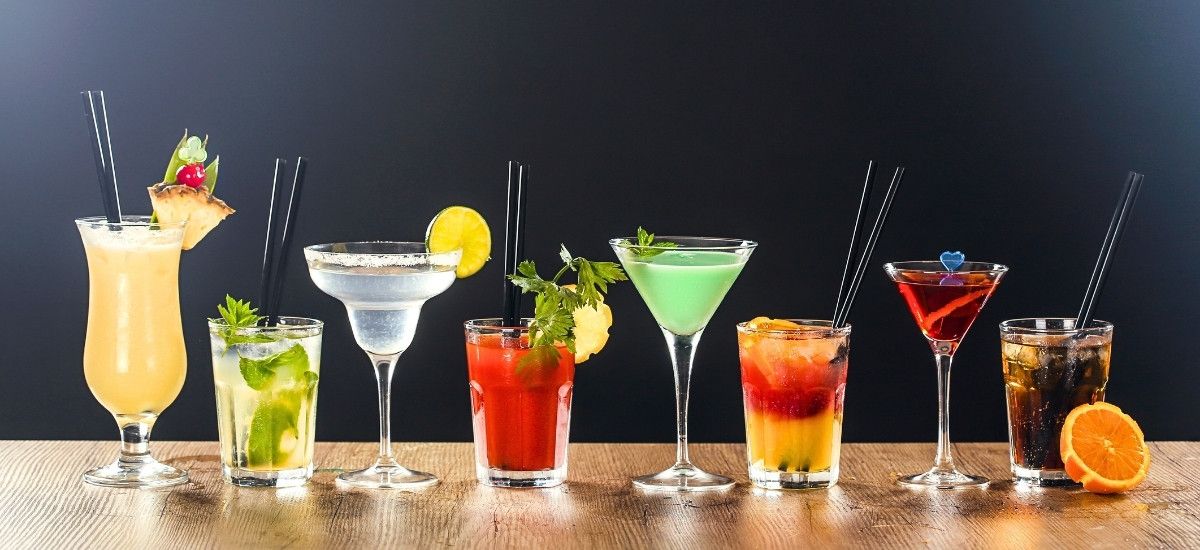
U.S. spirits sales edged down 2.2% in 2025, a trend that is expected to continue.
When Nearly Every Category Moves in the Same Direction
The breadth of the 2025 revenue decline is what makes it particularly instructive. Vodka, still the largest spirits category by dollar volume, fell 3 percent to $7 billion. Tequila and mezcal, the segment that had been the industry's most reliable growth engine for years running, slipped 4.1 percent to $6.4 billion. American whiskey dipped 0.9 percent. Cordials dropped 3.2 percent. When virtually every major category contracts simultaneously, the explanation is rarely category-specific. It is macroeconomic. Consumers facing inflationary pressure on groceries, housing, and utilities are making calculated decisions about where discretionary dollars land, and premium spirits have become one of the easier luxuries to defer. What makes the tequila decline especially telling is that volume at the lowest price points actually grew 6.5 percent, with the next tier climbing 2.8 percent. People are not abandoning tequila. They are simply buying it at a different price. That pattern of sustained interest combined with downward price migration is the defining characteristic of the current market.
The Canned Cocktail as a Category of One
Against this backdrop of broad contraction, one segment surged with almost defiant energy. Spirits-based ready-to-drink canned cocktails posted revenue growth of more than 16 percent, reaching $3.8 billion and more than doubling their market share since 2021. The RTD category has effectively become the industry's release valve, capturing consumers who still want quality cocktail experiences but prefer the convenience and predictable cost of a single-serve format. The economics are straightforward: a four-pack of canned cocktails often costs less than a single bottle of mid-tier spirits, eliminates the need for mixers or barware, and delivers a consistent product every time. For a consumer recalculating every purchase, that proposition is powerful. Companies with established RTD portfolios and access to affordable tequila brands find themselves unusually well positioned. Those still building out their ready-to-drink presence face the uncomfortable reality that the fastest-growing corner of the market is also the one that requires the most infrastructure investment in canning, distribution, and brand development at accessible price points.
Trade Tensions and the Pressure Beyond the Domestic Glass
The domestic picture does not exist in isolation. American spirits exports fell 9 percent year over year in the second quarter of 2025, driven by lingering trade disputes and retaliatory measures that pulled U.S. products from retail shelves in key markets, including Canada. Tariff unpredictability has made long-term planning difficult for distillers who had spent years cultivating international demand for American whiskey, bourbon, and craft spirits. For large multinational producers, the strategic calculus is shifting accordingly. Companies with diversified portfolios that include both lower-priced tequila brands and established RTD lines find themselves better insulated than those concentrated in premium-only positioning. Meanwhile, beer-dominant companies with minimal tequila exposure are working to expand their ready-to-drink presence, recognizing that the growth is happening in formats and categories they have historically underserved. The competitive landscape is reorganizing around a simple principle: the companies that can meet consumers where they are, rather than where the industry wishes they would be, will navigate this contraction most effectively.
The Takeaway
The 2025 spirits data does not describe an industry in crisis so much as an industry in transition. Spirits still command 42.4 percent of the total U.S. beverage alcohol market, ahead of beer at 41.8 percent and well ahead of wine at 15.7 percent. The consumer has not lost interest. The consumer has recalculated.
Add lingering trade tensions, declining American spirits exports, and ongoing tariff uncertainty to the domestic picture, and the landscape becomes one that rewards adaptability over ambition. The brands and companies most likely to thrive in this environment will be those that read the room correctly: offering quality at approachable price points, investing in the convenience formats consumers are actively choosing, and resisting the temptation to interpret trading down as a permanent rejection of craft or premium quality. Economic cycles turn. Consumer confidence recovers. The question is not whether premiumization will return but whether the industry will have maintained enough goodwill and accessibility at every price tier to welcome drinkers back up the ladder when the moment arrives.
