The Cannabis Glass: THC Beverages in 2026
A new category of adult beverage has emerged from regulatory complexity to claim shelf space and consumer attention across an expanding landscape of legal markets.
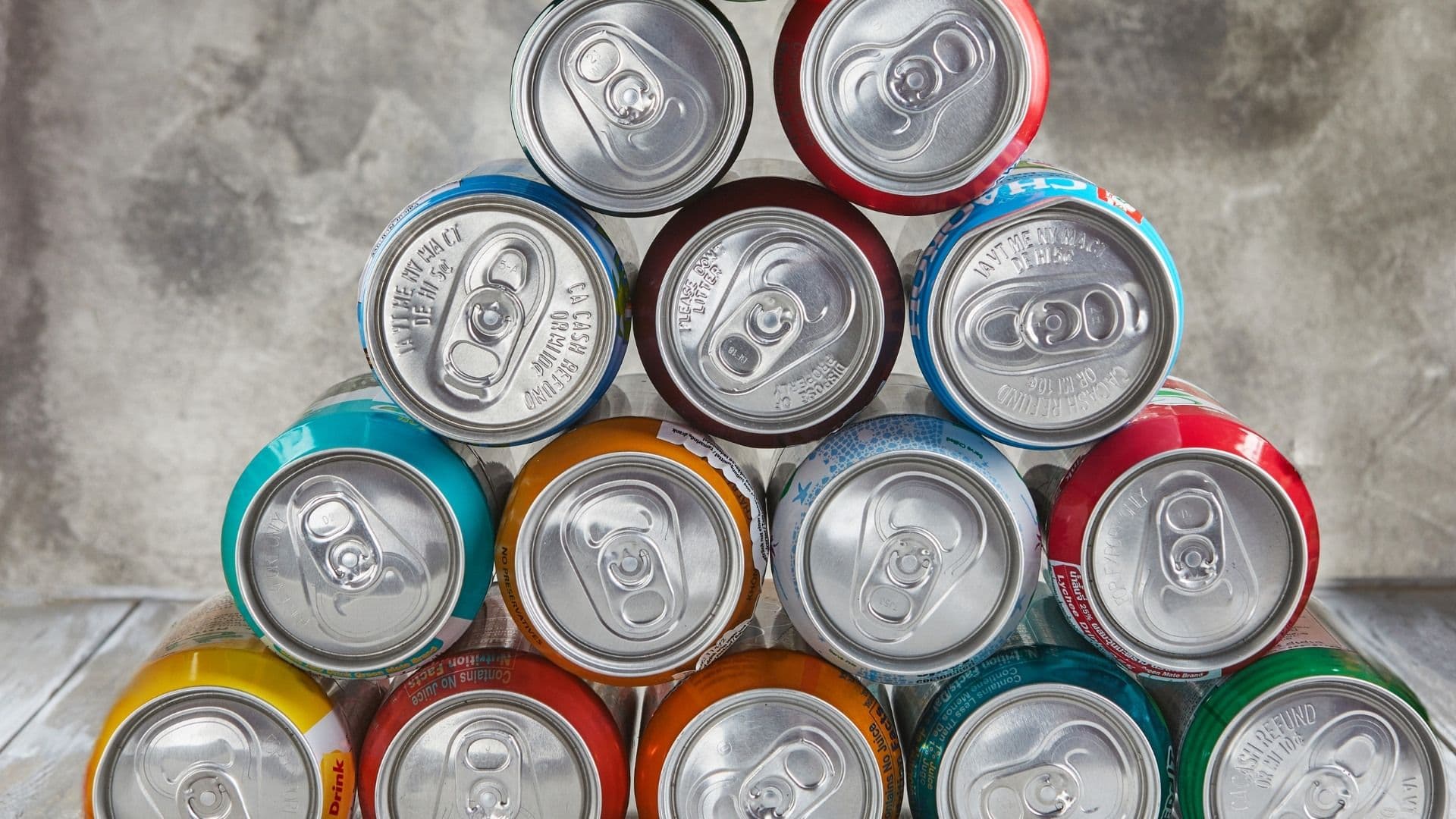
The beverage industry has witnessed the arrival of an entirely new category over recent years, one that challenges assumptions about what belongs in a glass and how adult drinks might evolve. THC infused beverages, products containing the psychoactive compound derived from cannabis, have transitioned from dispensary curiosities to increasingly mainstream options available in various retail environments depending on jurisdiction. These drinks range from sparkling waters and tonics to sodas, teas, and sophisticated cocktail alternatives, all formulated to deliver controlled doses of tetrahydrocannabinol in familiar liquid formats. The growth trajectory has caught the attention of beverage industry observers, investors, and established companies watching from the sidelines. Yet significant complexities surround this emerging category.
Legal frameworks vary dramatically across state lines, creating a patchwork of permissions and prohibitions that complicate everything from production to distribution. Business challenges extend well beyond regulatory compliance into fundamental operational questions about banking, marketing, and retail placement. Understanding where THC beverages stand in 2026 requires examining both the genuine momentum and the substantial obstacles that define this unusual moment in beverage history.
What Goes Into the Cannabis Glass
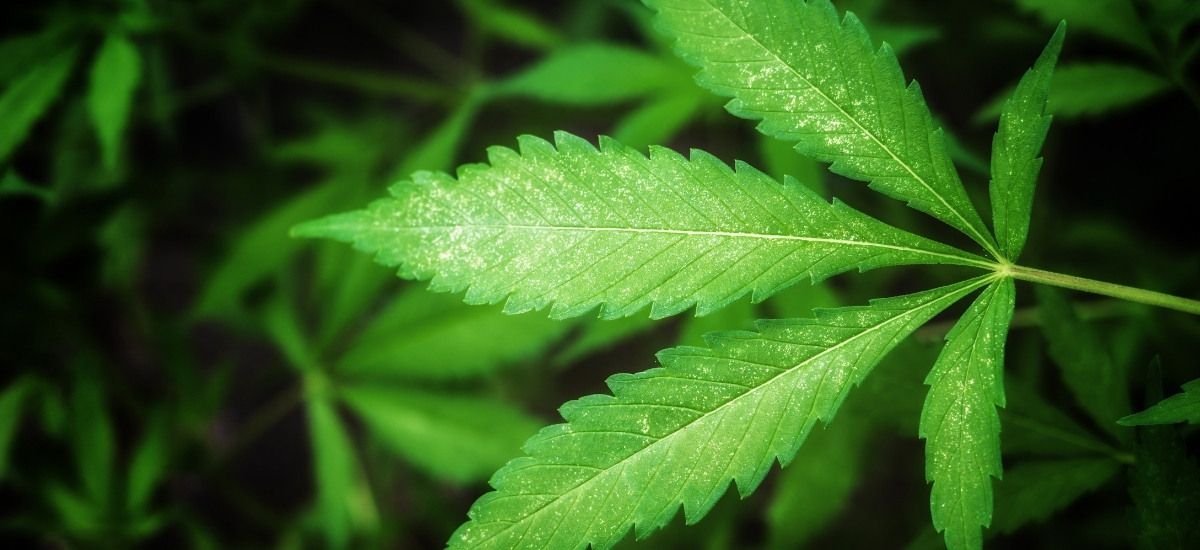
THC beverages represent a technological achievement as much as a product category. Cannabis compounds are naturally oil soluble, meaning they resist dissolving in water based liquids.
Early attempts at cannabis beverages suffered from separation issues, inconsistent dosing, and delayed onset times that frustrated consumers accustomed to the predictable effects of alcohol. Modern formulations employ nanoemulsion technology that breaks THC into microscopic particles capable of dispersing evenly throughout liquid and absorbing more rapidly into the bloodstream. This advancement has enabled drinks that take effect within fifteen to thirty minutes rather than the hour or more associated with traditional edibles. Dosing has become increasingly precise, with products typically containing between two and ten milligrams of THC per serving, allowing consumers to calibrate their experience with reasonable accuracy.
The beverage formats themselves span considerable range. Seltzers and sparkling waters dominate the market, appealing to health conscious consumers seeking low calorie options. Craft sodas, lemonades, and fruit forward drinks attract those desiring more flavor complexity. Premium offerings have emerged that position themselves as cocktail replacements, featuring botanical ingredients and sophisticated flavor profiles designed for social occasions. Some products combine THC with CBD, the non-intoxicating cannabis compound, to modulate effects, while others incorporate functional ingredients like adaptogens or vitamins to broaden their wellness positioning.
Products offering fast onset, consistent dosing, and beverage-like consumption patterns outperformed those that felt medicinal, slow, or unpredictable—highlighting the importance of formulation technology.
Navigating the Legal Labyrinth
The regulatory environment surrounding THC beverages defies simple summary. Cannabis remains federally prohibited in the United States, classified as a Schedule I controlled substance alongside heroin and LSD. This federal status creates fundamental business complications even in states where cannabis has been legalized for adult use. Banking services remain difficult to secure, payment processing operates through workarounds, and interstate commerce is effectively prohibited. Within this federal framework, individual states have established their own cannabis programs with varying rules governing production, testing, packaging, and retail sale.
Some states permit THC beverages only through licensed dispensaries while others allow sales in conventional retail environments under specific circumstances. The 2018 Farm Bill created additional complexity by legalizing hemp and hemp derived compounds, including delta-8 and delta-9 THC products containing less than 0.3 percent THC by dry weight. This provision has enabled THC beverages to reach markets in states without adult use cannabis programs, sold through convenience stores, gas stations, and online retailers. The legal interpretation of these hemp derived products remains contested, with some states moving to restrict them while federal guidance remains ambiguous. Businesses operating in this space must maintain constant vigilance regarding evolving regulations that can shift dramatically between jurisdictions and over time.
The Business of Building a Category
Despite regulatory headwinds, the commercial momentum behind THC beverages continues building. Market research suggests substantial growth potential as consumer awareness increases and legal access expands. Several factors drive this optimism. Demographic trends indicate younger consumers show decreased interest in alcohol compared to previous generations while demonstrating greater openness to cannabis.
The beverage format addresses historical barriers to cannabis consumption by offering familiar, socially acceptable packaging and precise dosing that reduces anxiety about overconsumption. For businesses, the opportunities come packaged with significant challenges beyond legal compliance. Marketing restrictions limit advertising channels and require careful messaging that avoids health claims or appeals to minors. Distribution networks remain fragmented, with products unable to move through the established alcohol distribution systems that provide efficient market access for beer, wine, and spirits. Capital raising proves difficult given federal prohibition and the reluctance of traditional financial institutions to engage with cannabis enterprises. Yet investment continues flowing into the category from beverage industry veterans, cannabis operators seeking to diversify, and venture funds betting on eventual federal reform.
Major alcohol companies have made strategic investments and partnerships that position them to enter more aggressively should regulatory barriers fall. The infrastructure for a substantial THC beverage industry is being constructed, piece by piece, in anticipation of a legal landscape that may look very different within the coming decade.
The Takeaway
THC beverages occupy a genuinely unprecedented position in the adult beverage landscape. No previous category has emerged under conditions of such regulatory fragmentation, operating legally in some jurisdictions while remaining federally prohibited and variably restricted across state lines. This complexity has not prevented meaningful commercial development, but it has shaped an industry that looks quite different from traditional beverage sectors. The products themselves have matured considerably, with formulation technology enabling consistent, fast acting experiences delivered in appealing formats.
Consumer interest continues growing, particularly among demographics seeking alternatives to alcohol that provide social lubrication without hangovers or high caloric loads. The business challenges remain substantial, from banking access to marketing restrictions to distribution logistics, yet none have proven insurmountable for determined operators. What remains most uncertain is the regulatory trajectory. Federal cannabis reform would transform the category overnight, enabling interstate commerce, conventional banking relationships, and potential entry by major beverage conglomerates currently watching from careful distance. Absent such reform, THC beverages will continue developing market by market, navigating a patchwork of rules that rewards operational flexibility and regulatory expertise.
Either way, the category has established itself as something more than novelty, representing a genuine shift in how some consumers choose to relax, socialize, and unwind.