Mixology & The Discipline Behind the Drink
Mixology is not a title. It is a practice rooted in science, hospitality, and the understanding that the best cocktail is always the one the guest needed.
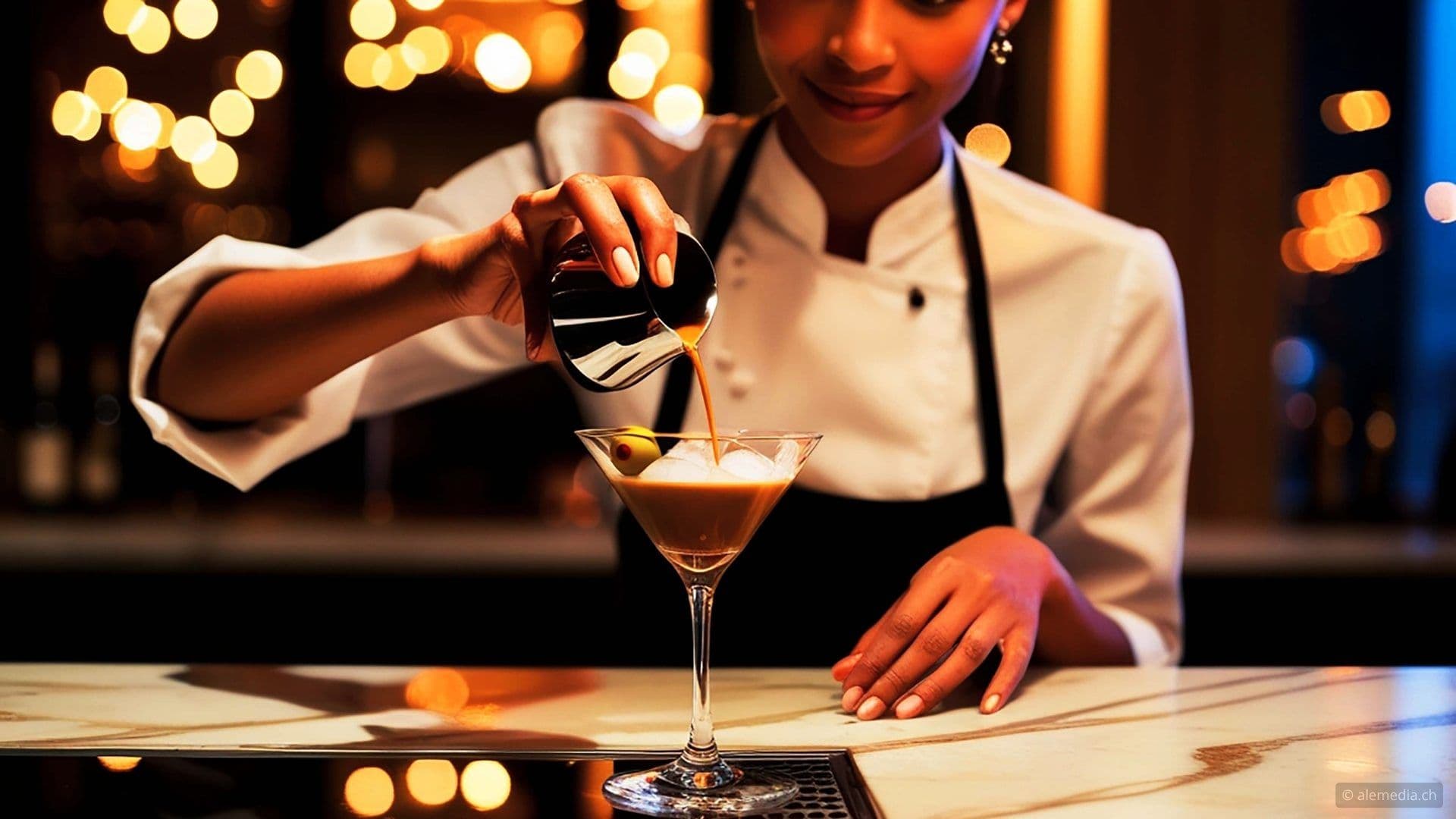
The word mixology gets used loosely. It appears on business cards and Instagram bios, on bar menus and event flyers, attached to anyone who can shake a cocktail tin with reasonable confidence. But the term, when taken seriously, describes something far more demanding than its casual usage suggests. Genuine mixology is a discipline at the intersection of chemistry, culinary technique, sensory science, and hospitality management. It requires a working knowledge of how acids interact with sugars, how dilution affects perception, how temperature alters aroma, and how the palate processes competing flavor signals. It also requires something no amount of technical knowledge can replace: the ability to read a guest, understand what they want even when they cannot articulate it, and deliver an experience that serves their pleasure rather than the bartender's ego.
This distinction between performance and service is not trivial. It defines the difference between a bartender who makes drinks and a professional who manages a beverage program. In a restaurant or hotel setting, the person behind the bar carries real operational responsibility: cost control, inventory management, staff training, menu development, allergen awareness, and the legal obligations that come with serving alcohol. Mixology, practiced at its highest level, is hospitality work. The drink is the vehicle. The guest experience is the destination.
Mixology represents the evolution of bartending into a disciplined craft that blends technique, creativity, and precision. While traditional bartending focuses on service and execution, mixology elevates the process into one of balance, structure, and intentional design.
The Science of What Tastes Right
Every well-built cocktail is an exercise in applied chemistry, whether the person making it uses that language or not. The foundational principle is balance: the interplay between sweet, sour, bitter, and spirit-forward elements that determines whether a drink feels harmonious or falls apart on the palate. The classic template of two parts spirit, one part sweet, one part sour provides a starting ratio, but the real work begins in understanding why that ratio functions and when to deviate from it. Citric acid behaves differently than malic acid. Demerara syrup contributes a different weight than simple syrup. A barspoon of saline solution can amplify sweetness without adding sugar. These are not decorative distinctions. They are the tools that separate a competent drink from a compelling one.
Dilution and temperature are equally consequential. Shaking a cocktail introduces roughly 25 percent water content and aerates the liquid, ideal for drinks containing citrus or egg white but destructive to spirit-forward compositions that rely on viscosity and clarity. Stirring achieves a slower, more controlled dilution that preserves texture. Ice format matters: a large cube melts slowly and maintains a drink's integrity over time, while crushed ice chills rapidly and introduces more water, the correct choice for a julep or swizzle but the wrong one for a Negroni. None of this is intuitive. It is learned through study, experimentation, and repetitive trial and error that resembles laboratory work more than artistry. The bartenders who make the best drinks are the ones who have failed hundreds of times and understood precisely why each failure occurred.
Why Classics Endure
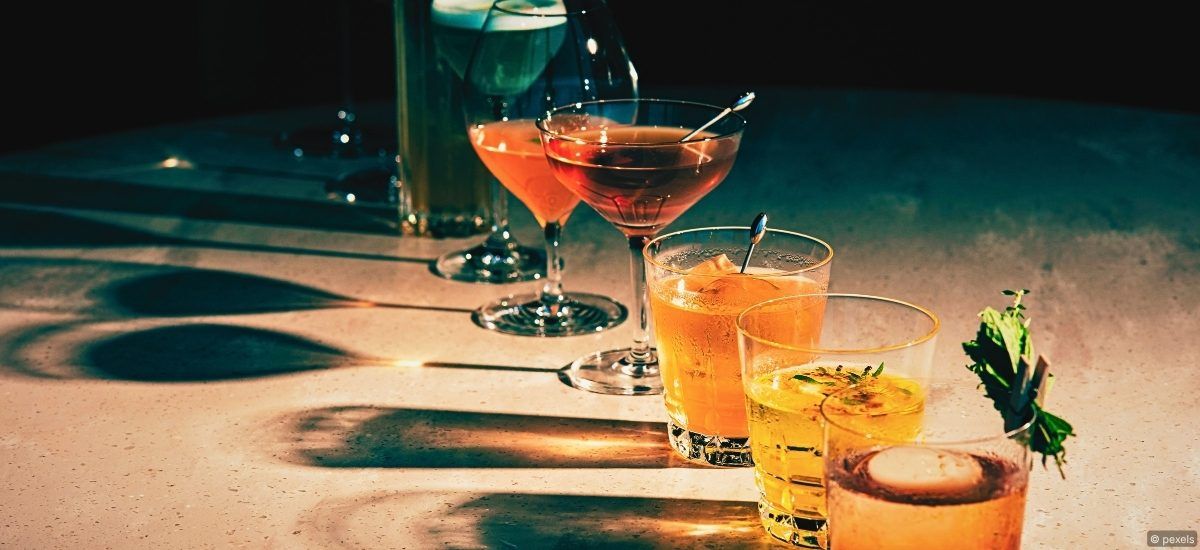
A cocktail earns the designation "classic" not through age alone but through a kind of structural perfection that survives changes in fashion, palate, and ingredient availability. The Old Fashioned, the Daiquiri, the Manhattan, the Martini, the Negroni: these drinks have persisted for decades or longer because their architecture is sound. They represent proven ratios of flavor components that work reliably across variations in base spirit, sweetener, and modifier. To understand why a Daiquiri works is to understand the relationship between rum's inherent sweetness, lime's acidity, and sugar's role as a bridge between them. That understanding is transferable. It is the foundation upon which original cocktails are built, not by discarding the classics but by internalizing the principles that make them endure.
Seasonality introduces another dimension that serious beverage programs cannot ignore. A menu that remains static through four seasons misses the opportunity to respond to what the guest's palate actually wants at a given time of year. Heavier, spirit-forward drinks with warming spice resonate in colder months. Lighter, citrus-driven, herbaceous preparations suit warmer weather. Seasonal menus also allow a bar program to incorporate fresh, locally available ingredients at peak quality, which directly affects flavor and demonstrates the intentionality that guests increasingly expect. The best seasonal menus do not abandon the classics. They adapt them, swapping a winter Old Fashioned's orange peel for a spring expression built on rhubarb or cherry blossom without losing the drink's structural identity.
The Guest, Not the Bartender
The most consequential skill in professional mixology has nothing to do with technique. It is the capacity to subordinate personal preference to guest satisfaction. A bartender who builds a menu around obscure amari and challenging flavor profiles may earn admiration from peers, but if the guests are not ordering those drinks, the program is failing at its primary function. In a restaurant or hotel, the beverage program exists to enhance the overall guest experience: to complement the food, set a tone, and make people feel welcome. Self-expression has a place in this work, but it must be calibrated against the reality of who is sitting on the other side of the bar.
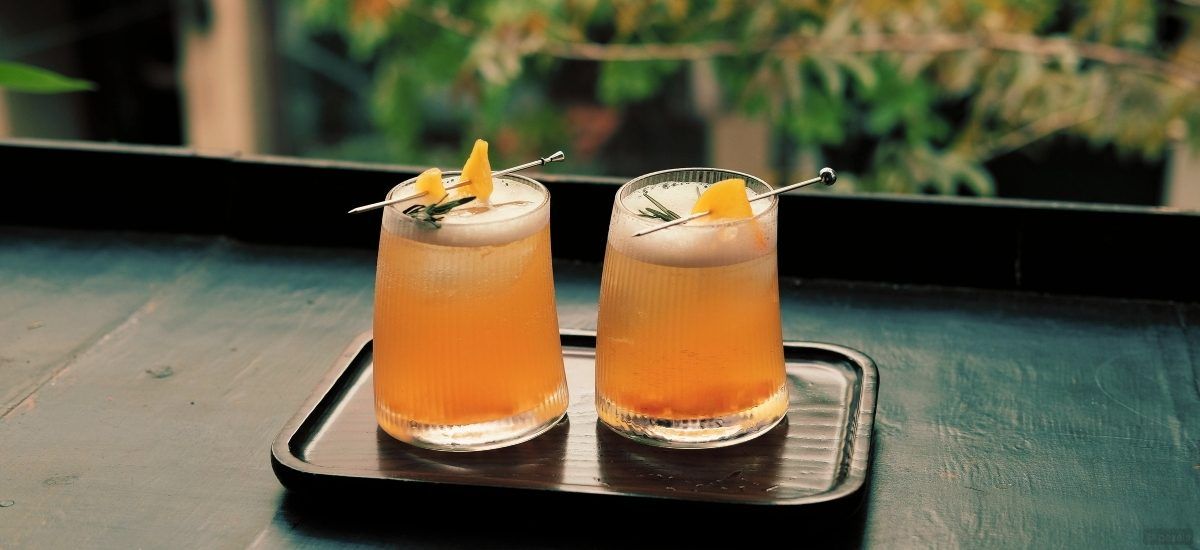
This is where mixology becomes genuine hospitality management. The professional bartender reads body language, asks the right questions, and adjusts based on what the guest communicates. Someone celebrating an anniversary needs a different drink than someone unwinding after a difficult day. A guest who orders a vodka soda is not an opportunity for correction. They are a person whose preference deserves respect, and the professional's job is to make the best possible version of what was requested. Responsibility extends beyond the glass: monitoring consumption, recognizing when a guest has had enough, and managing those conversations with discretion. The cocktail is never the point. The person drinking it is. The programs that understand this build lasting reputations, not because their drinks are the most inventive, but because their guests feel genuinely served.
Mixology has redefined what a cocktail can be, transforming it from a simple beverage into a crafted experience. It bridges tradition and innovation, drawing from classic techniques while embracing modern creativity.
The Takeaway
Mixology, when practiced with integrity, is one of the most intellectually demanding disciplines in the hospitality profession. It asks its practitioners to understand chemistry and human psychology in equal measure, to respect the architecture of drinks that have endured for generations while remaining responsive to the seasonal rhythms and shifting preferences of a living guest population. It demands research, precision, and the humility to recognize that the best drink is not the most complex one but the one that lands correctly for the person receiving it.
The industry does not need more bartenders who see themselves as performers. It needs professionals who understand that the bar is a station within a larger hospitality operation, carrying the same obligations of consistency, care, and guest-centered thinking that define every other role in a well-run restaurant or hotel. The title of mixologist means nothing without the practice behind it: the hours of tasting, adjusting, failing, and learning that transform someone who makes drinks into someone who understands them. That understanding, quiet, disciplined, and always in service to the guest, is what separates a cocktail from an experience.
Frequently Asked Questions
What is mixology?
Mixology is the craft of designing and preparing cocktails with an emphasis on balance, technique, and creativity. It evolved from traditional bartending as cocktail culture expanded, particularly during the late 20th and early 21st centuries, when chefs, bartenders, and beverage professionals began applying culinary and scientific principles to drinks.
How is mixology different from bartending?
While bartending focuses on efficient service and consistent preparation of drinks, mixology goes further by developing original recipes, refining flavor balance, and using advanced techniques such as infusions, clarifications, and house-made ingredients. It is both a creative and technical discipline within the broader role of bartending.
What are the basic components of a cocktail?
A well-constructed cocktail typically includes a base spirit, a balancing element such as acidity or bitterness, a source of sweetness, and controlled dilution from ice. The relationship between these elements determines the drink’s structure, texture, and overall drinkability.
What are common mixology techniques?
Technique directly impacts the final product, affecting temperature, dilution, texture, and clarity. For example, shaking introduces aeration and rapid chilling, while stirring creates a smoother, more controlled integration of ingredients. Small variations in execution can significantly alter the outcome.
What role does balance play in cocktail creation?
Balance ensures that no single element, whether alcohol, sugar, or acidity, overwhelms the drink. A properly balanced cocktail allows each component to contribute to a cohesive flavor profile, creating a more refined and enjoyable experience.
How has mixology influenced modern restaurants and bars?
Mixology has elevated beverage programs into a central part of the guest experience, often rivaling the importance of the kitchen. High-level cocktail programs now contribute to brand identity, drive revenue, and allow establishments to differentiate themselves through creativity and execution.