Dirty Pool: How the "Dirty" Beverage Trend Impacts the Industry
A simple concept of mixing unexpected ingredients into familiar drinks has spawned an entirely new category of beverage business with surprising implications.
The word dirty carries specific meaning in beverage culture. A dirty martini contains olive brine. A dirty chai includes a shot of espresso. But the current dirty beverage phenomenon extends far beyond these established recipes into territory that has generated its own retail concepts, employment opportunities, and marketing strategies. What began in the American Mountain West as a regional curiosity has expanded into a nationally recognized trend with dedicated storefronts, drive through windows, and devoted followings.
At its core, the dirty beverage movement involves customizing familiar drinks with additions that transform their character, most commonly combining fountain sodas with flavored syrups, cream, and various mix-ins. The simplicity of this formula belies its commercial impact. An entirely new category of quick service establishment has emerged to serve these drinks, creating jobs, attracting investment, and challenging traditional beverage industry assumptions about what consumers want and how they want to purchase it. Understanding this trend requires examining both the drinks themselves and the business infrastructure that has grown around them.
Dirty soda provides a shared, ritualized beverage experience for consumers reducing alcohol intake, offering indulgence and social signaling without the barriers of alcohol consumption.
What Exactly Makes a Beverage Dirty
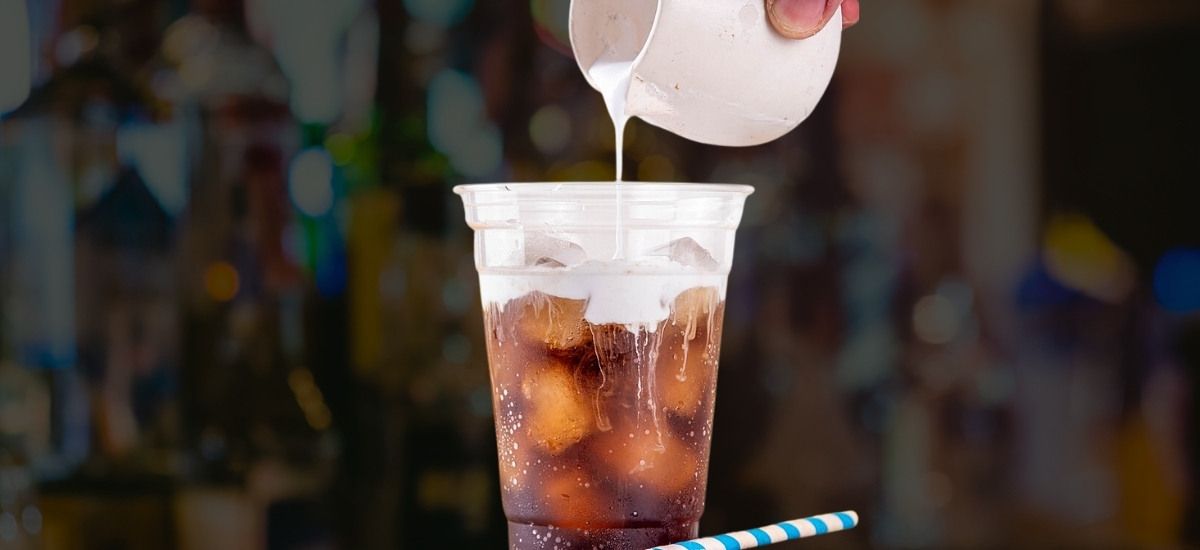
The dirty beverage concept rests on a foundation of creative customization. In its most common form, a dirty drink begins with a base of fountain soda, typically a cola or lemon lime variety, then receives additions that alter its flavor profile and texture.
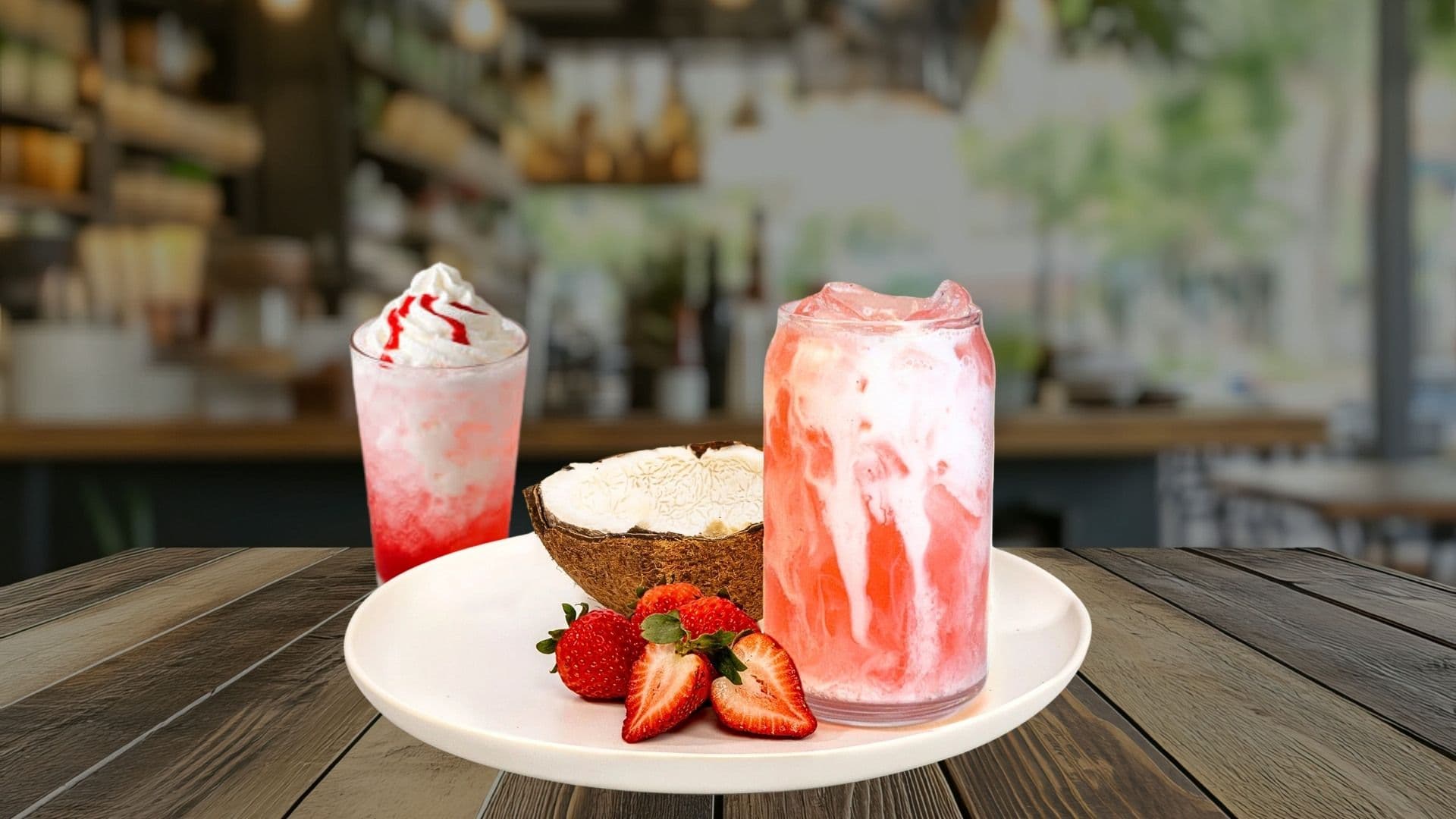
Flavored syrups represent the primary enhancement, with options ranging from coconut and vanilla to more adventurous choices like lavender or birthday cake. Cream or half and half adds richness and visual appeal, creating swirling patterns as it integrates with the carbonated base. Fresh lime juice, fruit purees, and even candy mix-ins further expand the possibilities. The result occupies unusual territory in the beverage landscape, neither traditional soft drink nor classic coffeehouse creation. Some dirty beverages contain caffeine from their cola bases while others feature entirely caffeine-free profiles. The customization element proves central to the appeal. Customers can specify exactly which syrups, how much cream, and what additional elements they desire, creating drinks tailored precisely to individual preferences.
This personalization transforms a simple beverage purchase into an expressive act, with regular customers developing signature combinations they order repeatedly. The permutation possibilities number in the thousands, limited only by the syrup selection and customer imagination.
New Storefronts and the Jobs They Create
Perhaps the most tangible industry impact of the dirty beverage trend involves the physical establishments that have emerged to serve these drinks. Dedicated soda shops now populate strip malls and downtown districts across the country, having expanded from their Utah origins to reach national markets.
These businesses occupy a distinct niche in the quick service landscape, typically featuring drive through service, colorful branding, and extensive menus of customizable options. The employment implications prove meaningful at local levels. Each location requires staff to take orders, assemble drinks, manage inventory, and maintain customer relationships. Unlike highly automated beverage service, dirty drink preparation remains largely manual, with workers combining ingredients to specification for each order. This labor intensity creates positions that provide entry points into food and beverage service while demanding customer interaction skills and attention to detail. Training programs teach not just drink assembly but also upselling techniques, flavor pairing suggestions, and the hospitality fundamentals that encourage repeat business.
For many young workers, these establishments offer first experiences in customer facing roles within environments less demanding than full service restaurants but more engaging than typical fast food operations. The businesses themselves have attracted franchise investment, expanding employment opportunities into management and ownership pathways.
High-margin add-ons such as flavored syrups and cream transform low-cost base beverages into premium-priced, repeat-purchase products, reshaping how value is created at the fountain.
Marketing Sugar Water in a Health Conscious Era
The dirty beverage industry faces an interesting challenge in promoting products that unapologetically embrace sugar, cream, and indulgence during a period of heightened nutritional awareness. Marketing strategies have navigated this tension through several approaches. Emphasis on customization allows brands to highlight lower calorie options, sugar free syrups, and lighter modifications available to health conscious customers without abandoning the indulgent core that drives primary demand. The treat positioning proves essential, framing dirty beverages as occasional pleasures rather than daily habits, special rewards rather than routine refreshment.
Social media has emerged as the dominant marketing channel for dirty beverage brands. The visual appeal of layered, colorful drinks translates effectively to image driven platforms where user generated content amplifies brand messaging. Customers photograph their purchases and share combinations, providing authentic endorsement that paid advertising cannot replicate. Influencer partnerships extend this organic reach, with content creators introducing dirty beverage culture to audiences unfamiliar with the category. Celebrity associations have further elevated visibility, transforming what began as regional novelty into recognized national trend. Seasonal offerings, limited time flavors, and collaborative promotions maintain engagement among existing customers while generating news hooks that attract media coverage. The marketing success of dirty beverage brands offers lessons in building community around customization and positioning indulgence appropriately within contemporary consumer expectations.
The Takeaway
The dirty beverage phenomenon illustrates how simple concepts can generate substantial commercial activity when executed with attention to customer experience and contemporary marketing sensibilities.
What amounts to fountain soda with add-ins has spawned a category of business that creates jobs, attracts investment, and captures meaningful market share in the competitive quick service landscape. The employment opportunities these establishments provide, particularly for young and entry level workers, contribute real economic value to communities where they operate. Marketing approaches demonstrate sophisticated understanding of how to position indulgent products in health aware markets while leveraging social media dynamics that favor visual appeal and personalization narratives. For the broader beverage industry, the dirty trend offers instructive lessons about customization, treat positioning, and the enduring appeal of drinks that feel special and personal.
Whether this category continues expanding or eventually consolidates remains uncertain, as with any trend dependent on novelty and cultural moment. What seems clear is that the underlying desires it addresses, for personalization, for small indulgences, for beverages that feel chosen rather than merely consumed, will persist regardless of how the specific dirty beverage format evolves. The industry impact has already registered, and the influences on how beverages are marketed and served will likely outlast the trend itself.