The Digital Pour: How Technology Will Transform Every Glass
From vineyard sensors to algorithmic sales platforms, the beverage industry stands at the threshold of its most profound transformation in centuries.
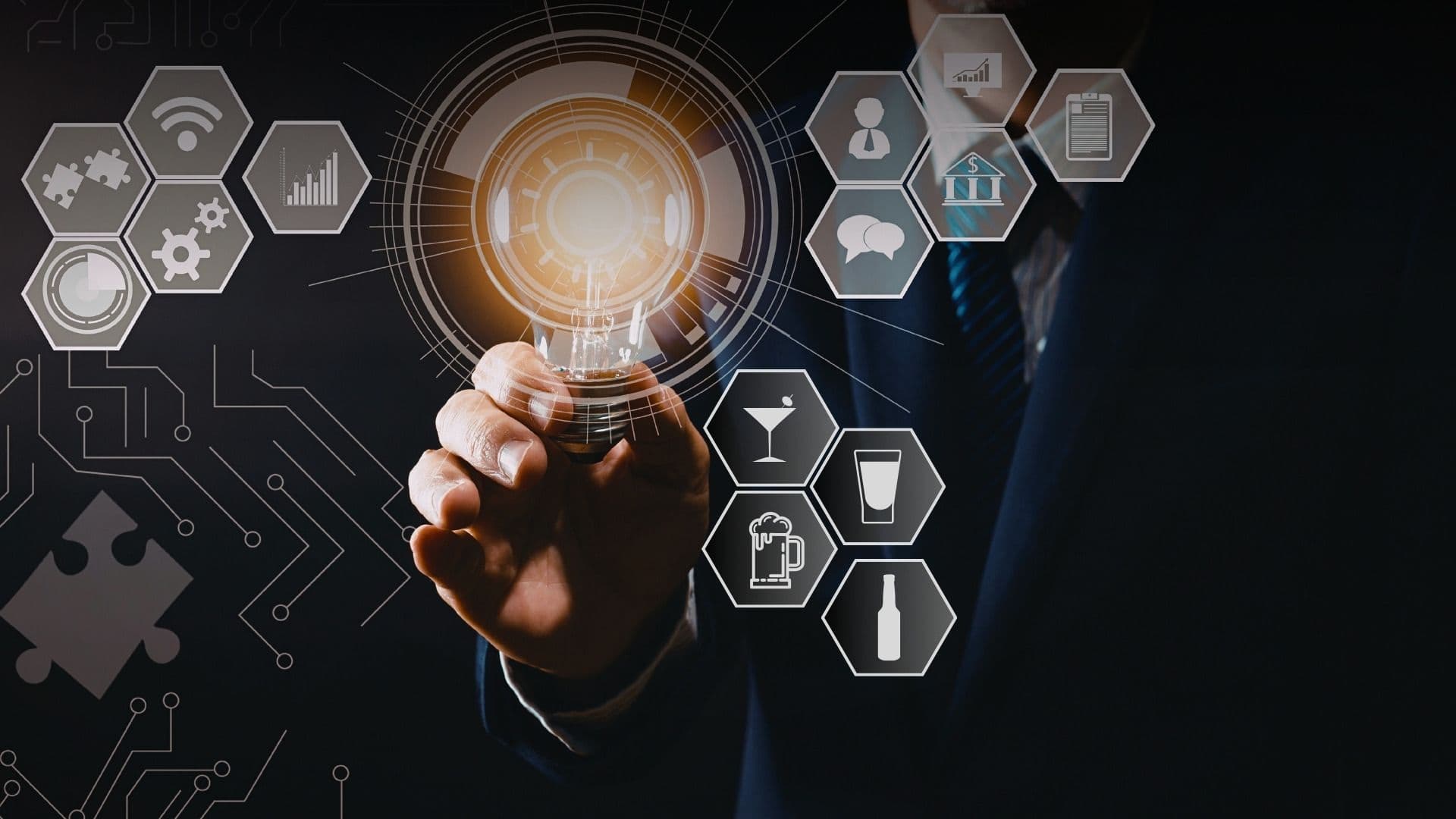
The beverage industry has always evolved alongside technological progress. Refrigeration revolutionized distribution, pasteurization extended shelf life, and mechanization scaled production beyond what manual labor could achieve. Yet the technological changes now emerging will dwarf these historical shifts in both scope and consequence. Artificial intelligence, automation, precision agriculture, and digital marketing platforms are converging to reshape how beverages are made, sold, and discovered.
No segment of the industry will remain untouched, from the smallest craft producer to the largest global conglomerate. This transformation promises extraordinary gains in efficiency and quality while simultaneously raising profound questions about employment, authenticity, and human connection in an industry built on personal relationships and sensory pleasure. Understanding what lies ahead allows participants at every level to prepare, adapt, and identify opportunities within disruption. The glass in hand may look familiar, but everything behind it is changing at a pace that demands attention and thoughtful response.
The greatest shift is not technological but organizational, as beverage businesses that integrate data into decision-making gain speed, resilience, and pricing power over those still operating on tradition alone.
Production Enters a New Era
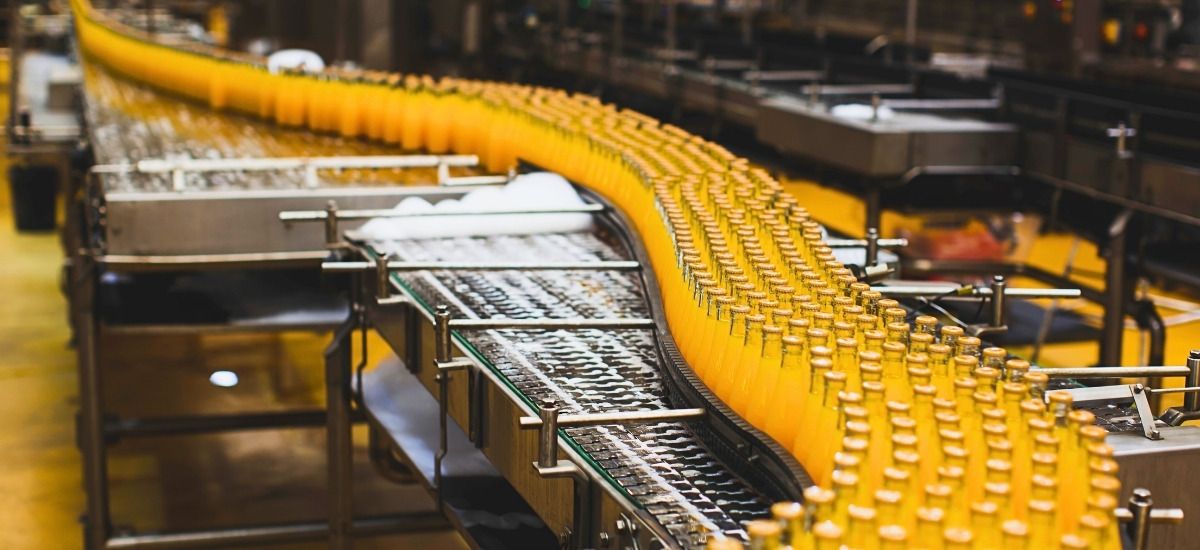
Manufacturing and agricultural technologies are fundamentally altering how beverages come into existence. Precision viticulture employs drones, satellite imagery, and soil sensors to monitor vine health with granularity impossible through traditional methods, enabling interventions targeted to individual rows or even specific plants. Fermentation monitoring systems track temperature, sugar levels, and microbial activity in real time, making adjustments automatically to optimize outcomes. Robotic systems increasingly handle tasks from bottling to palletizing with speed and consistency that human workers cannot match.
The implications for employment are significant and unavoidable. Facilities that once required dozens of workers now operate with skeleton crews overseeing automated processes. This efficiency translates to lower production costs and potentially lower consumer prices, but it also eliminates positions that provided livelihoods for generations. The counterargument emphasizes that automation handles repetitive and physically demanding tasks, freeing human expertise for quality control, creative development, and other roles requiring judgment and sensory evaluation. Whether this rebalancing creates net benefits or losses depends heavily on how transitions are managed and whether displaced workers can access new opportunities within or beyond the industry.
Sales Without Salespeople
The commercial side of beverages faces equally dramatic transformation as artificial intelligence and data analytics reshape how products reach consumers. Predictive algorithms analyze purchasing patterns, inventory levels, and market trends to optimize distribution and pricing with precision that human sales teams struggle to match. Automated ordering systems enable retailers and hospitality venues to replenish stock without human intervention, responding to demand signals in real time. Customer relationship management platforms track interactions and preferences, suggesting personalized offerings and timing outreach for maximum effectiveness.
The traditional sales representative, building relationships over lunches and tastings, may not disappear entirely but will see their role fundamentally redefined. The most successful will leverage technology to enhance personal connections rather than replace them, using data insights to anticipate client needs while maintaining the human touch that distinguishes genuine partnership from transactional efficiency. Yet many functions currently performed by sales professionals will migrate to automated systems, particularly in high-volume, low-complexity segments where relationships matter less than logistics. The survivors will be those who add value that algorithms cannot replicate: expertise, creativity, problem-solving, and the irreplaceable warmth of human interaction.
Authenticity as the Marketing Imperative
Marketing stands at perhaps the most interesting inflection point within the broader technological transformation. Digital platforms have fragmented attention across countless channels while simultaneously enabling targeted messaging of unprecedented precision. Artificial intelligence can generate content at scale, personalizing communications for individual consumers based on behavioral data and demographic profiles. Yet this very capability has created a crisis of authenticity that threatens to undermine its promise.
Consumers increasingly recognize and reject what has come to be called AI slop: generic, hollow content that fills feeds without offering genuine value or human perspective. The fatigue is real and growing. Effective marketing in this environment must cut through algorithmic noise with messages that resonate as authentic, creative, and genuinely engaging. This demands a paradox: leveraging technology for distribution and targeting while ensuring the content itself reflects human creativity, genuine brand values, and stories worth telling. The brands that will thrive are those that use technological tools to amplify authentically human voices rather than replace them with synthetic approximations. Avant-garde approaches that surprise, challenge, and genuinely connect will outperform safe, algorithmic optimization every time.

The Takeaway
Technology will touch every aspect of the beverage industry with transformative force, and pretending otherwise serves no one. Production will become more efficient and precise, requiring fewer hands while demanding new skills from those who remain. Sales will increasingly flow through automated channels that optimize for data-driven outcomes, challenging traditional relationship-based models to demonstrate their continued value. Marketing must navigate the tension between technological capability and consumer demand for authenticity, finding creative paths that leverage digital tools without succumbing to soulless automation.
The through line connecting these shifts is the enduring importance of human judgment, creativity, and connection. Technology excels at optimization, consistency, and scale, but beverages exist within cultural contexts that require human understanding to navigate successfully. The winemaker who trusts sensors but also trusts their palate, the sales professional who uses data to enhance rather than replace relationships, the marketer who deploys algorithms in service of genuinely human stories: these will be the models for success in an industry being remade by forces beyond anyone's full control. Embracing technology while preserving what makes beverages meaningful represents not just a business strategy but a philosophical stance worth defending.