The Story Is the Product Now
The beverage industry has always had remarkable stories to tell. The question facing it today is whether it can learn to lead with those stories rather than hide behind a sales pitch.
Something fundamental has shifted in the relationship between beverage brands and the people who drink them. For decades, the industry operated on a familiar logic: make a quality product, explain its features, place it on the right shelves, and trust that distribution and advertising would close the gap between production and consumption. That logic still functions, but it no longer suffices. Global alcohol consumption has been declining steadily, driven by younger generations who drink less frequently and more deliberately than their predecessors. The nonalcoholic and functional beverage categories are expanding, yet even those markets are becoming crowded with competitors who all sound remarkably alike.
This convergence of declining volume, rising competition, and value-driven purchasing has created an inflection point. The beverage industry needs a new vocabulary for connecting with its audience, and that vocabulary is built around storytelling, lifestyle alignment, and experiential engagement rather than traditional product marketing. Few industries on earth are better equipped to tell meaningful stories. The challenge is learning how to tell them honestly.
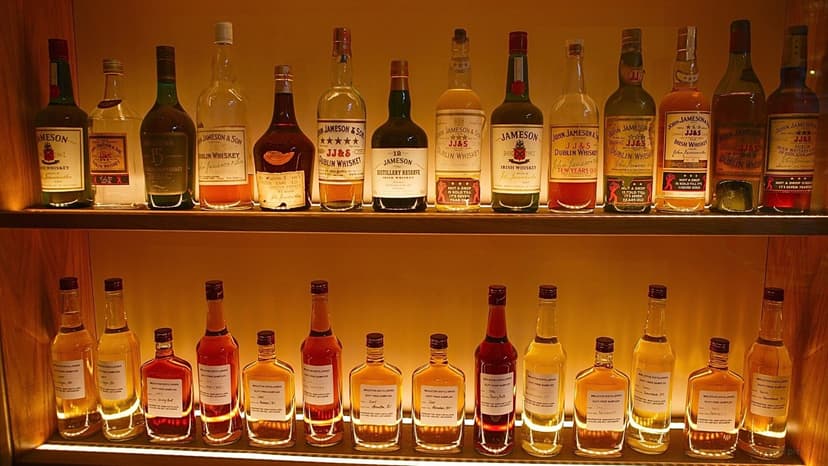
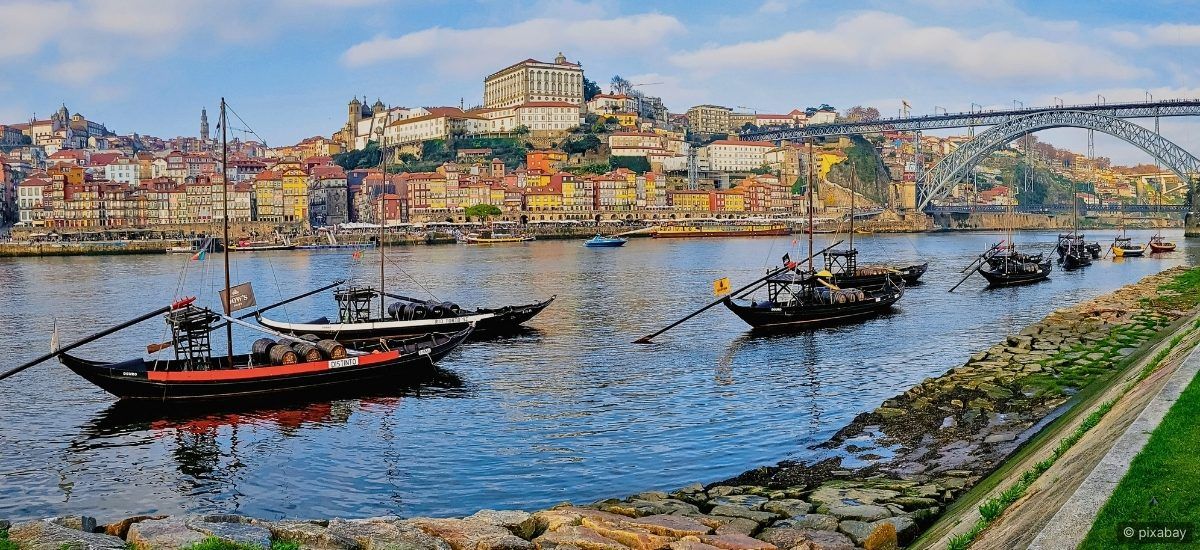
Many successful beverage brands are built around place-based storytelling, highlighting the vineyard, distillery, or brewery location to create emotional connection with consumers.
Why Features Stopped Being Enough
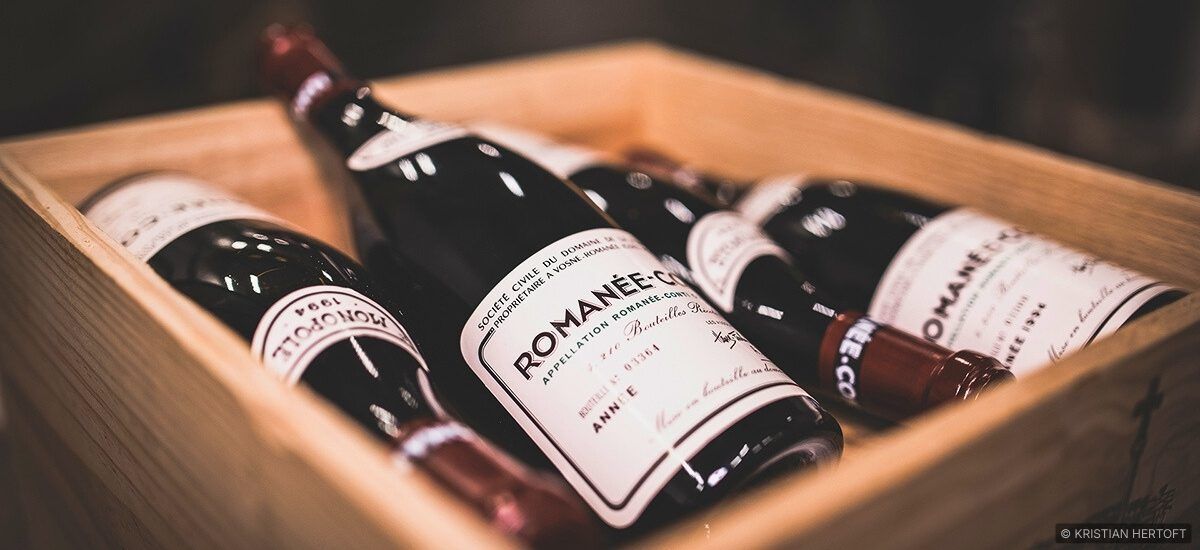
Traditional beverage marketing has long relied on what might be called the language of specification. A whiskey promotes its age statement. A wine advertises its score from a prominent critic. A craft beer leads with its hop variety or IBU count. These details are not unimportant, but they assume a consumer who already cares about the category deeply enough to parse technical distinctions. The emerging generation of drinkers, particularly millennials and Gen Z, often does not enter the conversation at that level. They enter through identity. They want to know what a brand stands for before they evaluate what it tastes like, and they have developed a sharp instinct for distinguishing genuine commitment from performative gestures.
This shift does not mean that product quality has become irrelevant. It means that quality alone is no longer a sufficient reason to choose one bottle over another. When a consumer can find dozens of well-made options in any category, the deciding factor often becomes the story surrounding the liquid rather than the liquid itself. A mezcal brand that documents the families who tend its agave fields, a winery that traces its environmental practices with verifiable data, a spirits company that reinvests in the communities where its ingredients are grown: these narratives create emotional resonance that a tasting note cannot replicate. The brands thriving in this environment have stopped treating storytelling as a marketing tactic and started treating it as a core expression of who they are.
What Makes a Lifestyle Brand More Than a Label?
The term "lifestyle brand" has been used so loosely in recent years that it risks losing its meaning entirely. Slapping an aesthetic onto a product and curating an aspirational social media feed does not constitute lifestyle branding in any substantive sense. A genuine lifestyle brand is one whose values, aesthetics, and cultural positioning are so coherent that the product becomes inseparable from the worldview it represents. In the beverage space, this means moving beyond the transaction of selling a drink and into the territory of inviting consumers into a way of thinking about what they consume and why.
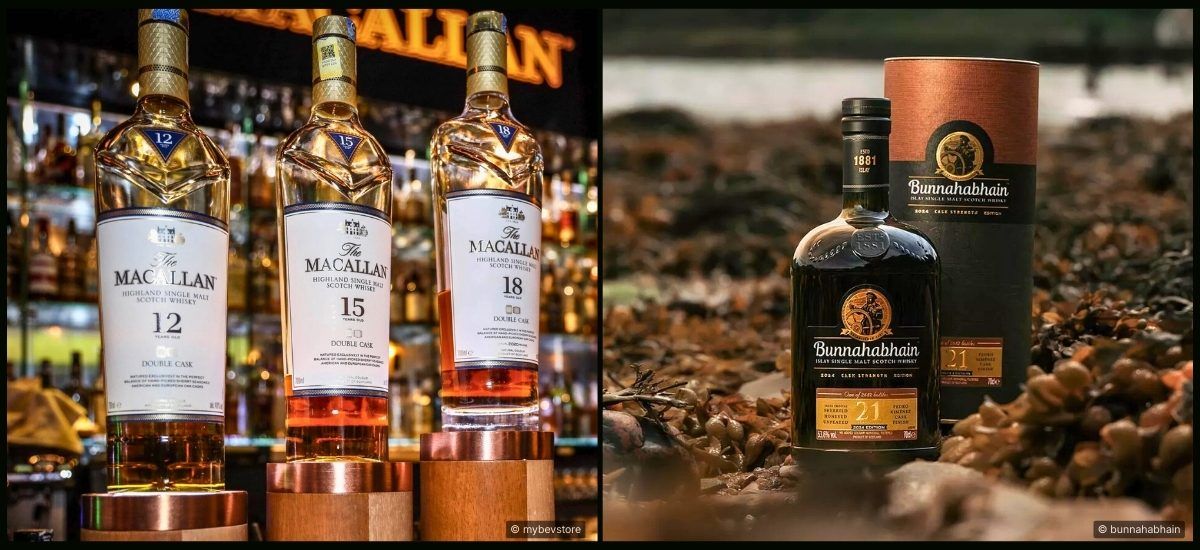
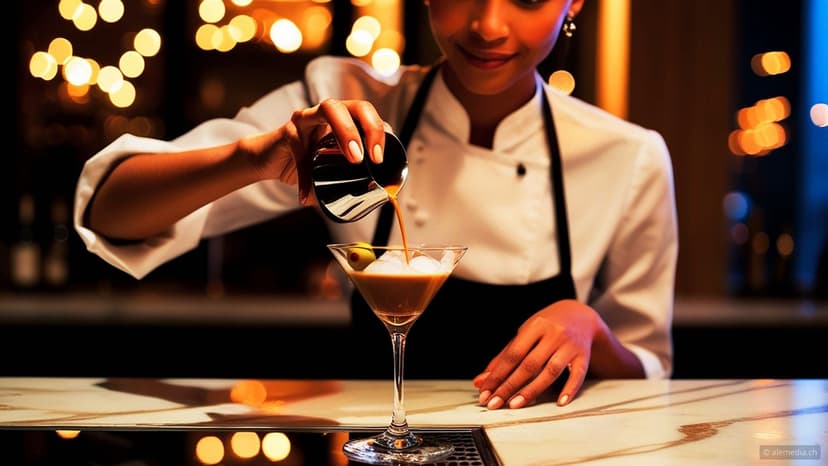
Experiential marketing has emerged as one of the most effective tools for achieving this integration. Pop-up tasting events, immersive brand activations, collaborations with chefs and cultural figures, and educational programming that treats the consumer as an intelligent participant rather than a passive target all contribute to a richer relationship between brand and drinker. The distinction between traditional marketing and experiential marketing is worth understanding clearly. Traditional marketing broadcasts a message and hopes it lands. Experiential marketing creates a shared moment and lets the consumer carry it forward. The beverage industry is uniquely positioned for this kind of engagement because its products are inherently social, sensory, and tied to moments of connection. A well-designed tasting experience does not just sell a product. It creates a memory, and memories are far more durable than advertisements.
In modern marketing, experiences often outperform advertising, which is why wineries, breweries, and distilleries increasingly invest in tastings, tours, and immersive visitor experiences.
Earned Trust in an Age of Exhaustion
Perhaps the most consequential development in modern consumer behavior is the erosion of tolerance for inauthenticity. Younger consumers have spent their entire lives immersed in advertising. They have watched brands adopt progressive language without progressive action, promote sustainability while generating enormous waste, and claim artisanal credentials while operating at industrial scale. The result is a generation of buyers who are extraordinarily skilled at identifying the gap between what a company says and what it actually does. Words like "genuine," "authentic," and "craft" have been so thoroughly overused that they now function as warning signs rather than reassurances unless they are backed by demonstrable evidence.
This is not a reason for despair. It is an invitation to do the work. The beverage industry possesses something that many consumer categories do not: centuries of genuine history, real agricultural science, living traditions passed between generations, and production processes that are intrinsically fascinating. A bourbon distillery does not need to fabricate a compelling origin story. It already has one. A family-owned vineyard does not need to manufacture authenticity. It simply needs to share the daily reality of what it does. The brands that will define the next era of this business are the ones willing to be transparent about their processes, honest about their shortcomings, and committed to values that extend beyond the quarterly earnings report. The consumer is not asking for perfection. They are asking for consistency between message and action.
The Takeaway
The beverage industry stands at a rare crossroads where its greatest commercial challenge and its greatest creative opportunity are the same thing. Declining per-capita consumption means that volume-driven strategies will continue to lose ground. The path forward runs through deeper connection, not wider distribution. Storytelling, lifestyle alignment, and experiential engagement are not trends that will pass. They are structural shifts in how consumers relate to the products they choose, and they reward exactly the kind of depth and heritage that the beverage world already possesses in abundance.
What remains is execution. Someone has to tell these stories with skill and conviction, and the telling must be rooted in substance rather than style alone. The distiller who walks a visitor through the fermentation room, the sommelier who connects a glass of wine to the specific hillside where its grapes grew, the bartender who explains why a particular spirit matters to a particular community: these are the storytellers the industry needs, and they already exist within it. The future of beverage branding does not require inventing something new. It requires the courage to lead with what has always been true, that every bottle holds a story worth hearing, and the discipline to tell that story without embellishing and without confusing the pitch for the product. If the industry can manage that, the audience is already waiting.
Frequently Asked Questions
Why is branding so important in the beverage industry?
Branding helps distinguish one product from thousands of similar options on store shelves. A compelling brand story can influence consumer perception and create loyalty beyond price or product style.
What is experiential marketing in the beverage world?
Experiential marketing focuses on creating memorable interactions with the brand, such as tastings, vineyard visits, distillery tours, or special events. These experiences allow consumers to engage directly with the story behind the beverage.
How does storytelling influence beverage sales?
Stories about heritage, place, craftsmanship, and people give products meaning and help consumers feel connected to the brand. This emotional connection often drives purchasing decisions.
How has social media changed beverage branding?
Social media has pushed brands to become more visual and narrative-driven. Companies now create content, experiences, and packaging that encourage sharing and digital engagement.
Why are younger consumers changing beverage marketing strategies?
Younger drinkers often seek authenticity, transparency, and experiences rather than traditional luxury messaging. As a result, many beverage brands now emphasize sustainability, culture, and storytelling in their marketing.