Is Lower Alcohol a Fad or a Fixture?
A generation is rewriting its relationship with the drink, and the industry built on the old rules is scrambling to keep up. The question is whether this is a passing mood or a permanent shift.
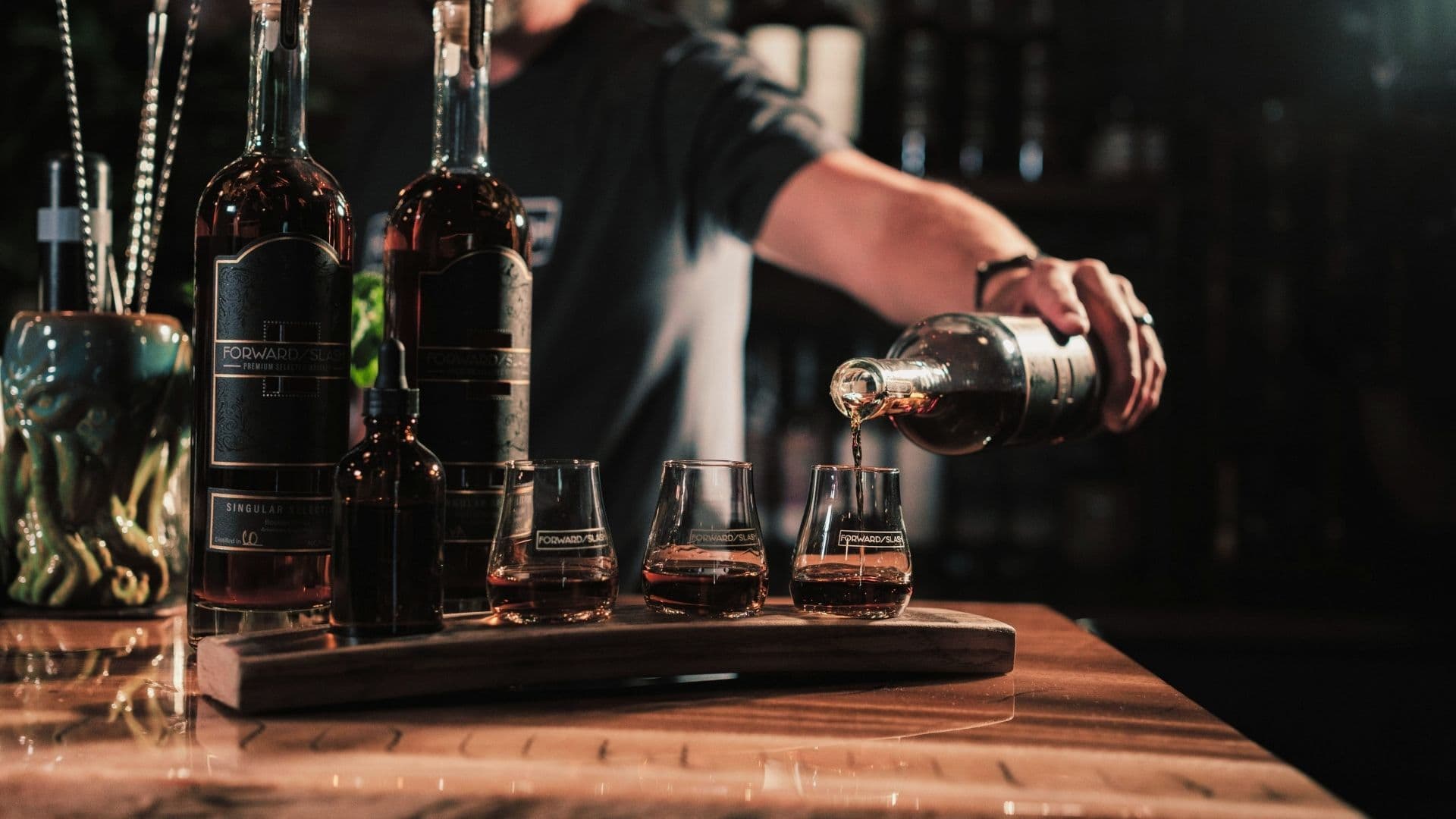
For most of modern history, the drinks business operated on a comfortable assumption: people would always want to get a buzz, and the only real questions were taste, price, and prestige. That assumption is now under genuine pressure. A category of beverages designed to deliver the ritual of drinking without much or any of the alcohol has moved from the wellness fringe into the center of bars, supermarkets, and restaurant menus. The no-alcohol segment is forecast to grow at roughly seven percent annually across major global markets through 2028, far outpacing its full-strength counterparts.
The reflex among traditionalists is to call this a fad, the beverage equivalent of a New Year's resolution that fades by February. But fads do not usually attract the largest brewers, distillers, and vintners on the planet, nor do they reorganize how an entire industry thinks about its core customer. Something more durable appears to be taking shape, and understanding it requires looking past the marketing to the forces underneath.
What Are We Actually Talking About?
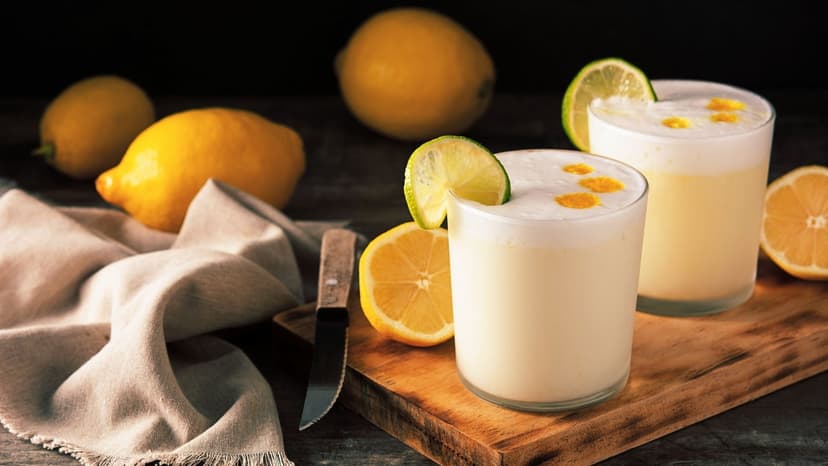
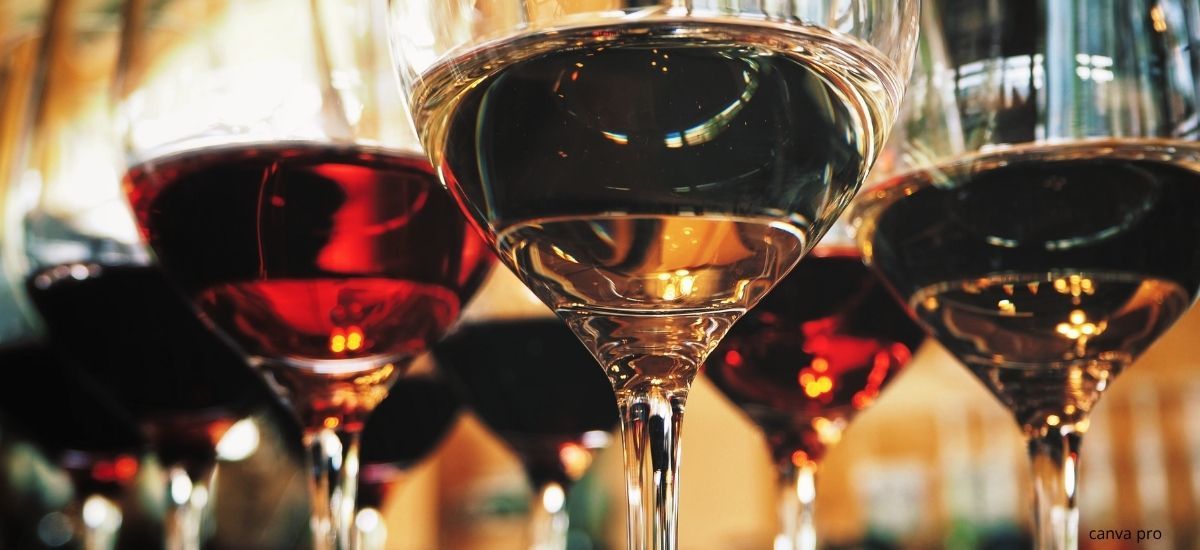
The terminology is messier than it should be, which has slowed public understanding. No-alcohol generally refers to products at or below 0.5 percent alcohol by volume, a threshold low enough that orange juice and ripe bananas can approach it. Low-alcohol covers a wider band of genuinely reduced-strength beers, wines, and ready-to-drink cocktails. Around both sits a fuzzy world of mocktails, functional drinks laced with adaptogens or caffeine, and what the trade now calls zero-proof spirits.
The unifying idea is not abstinence but choice. The dominant consumer here is rarely a recovering drinker or a strict teetotaler. More often it is someone practicing what the industry has labeled mindful drinking, alternating a real cocktail with a crafted alcohol-free one, or skipping the wine on a weeknight without skipping the occasion. This distinction matters enormously for producers, because it means the market is not a small fixed pool of non-drinkers. It is the entire drinking population, many of whom now want a credible option for the nights they would rather not. That reframing, from niche to occasion, is the single most important shift in the conversation.
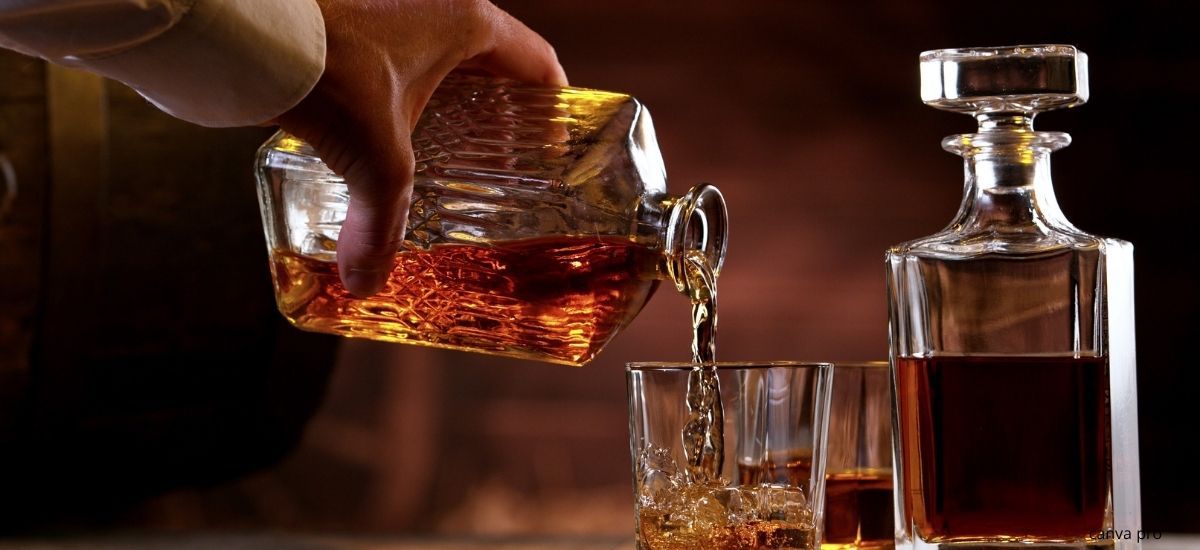
For decades, alcohol categories competed by offering more intensity, higher proof, and bigger flavors. Today, a different trend is emerging. Consumers, particularly younger generations, are increasingly seeking moderation, balance, and flexibility in their drinking habits.
How Did We Get Here?
The honest answer is that nobody fully agrees, and the disagreement is instructive. The popular narrative credits Gen Z, citing surveys that show younger adults drinking less than previous generations did at the same age, often attributing it to health consciousness sharpened by social media. Public health messaging has grown blunter too, with major bodies increasingly stating that no level of alcohol is risk-free, a claim that would have been unthinkable in advertising a generation ago.
Yet the data resists a tidy story. Some analysts argue the youth decline owes less to wellness than to economics, since a meaningful share of Gen Z is not yet of legal drinking age, many live at home, and a night out has become genuinely expensive. More provocatively, recent industry tracking suggests that as financial conditions ease, younger drinkers are returning to alcohol rather than abandoning it. The likeliest truth combines all of these: real generational caution, real cost pressure, real health awareness, and a culture that no longer treats heavy drinking as a marker of sophistication. Whatever the exact weighting, the practical result is the same. A large and growing slice of consumers wants the option to drink less, more often, without explanation or stigma.
An Opportunity, Not a Threat
For producers, the math is increasingly hard to ignore. The big houses, from global brewers to heritage distillers, are no longer dabbling. They are launching alcohol-free flagships, acquiring independent zero-proof brands, and investing in dealcoholization technology that finally preserves flavor instead of stripping it away. The reason is simple. This is incremental volume, often at premium prices, captured from customers who were going to be in the room regardless.
The frontline decision falls to sommeliers, bar directors, and operators, and here the choice is starkly binary. They can treat the alcohol-free guest as a problem to be tolerated with a sad glass of cranberry juice, or they can treat that guest as a margin opportunity. The economics favor the second path decisively. Beverages already drive the lion's share of a venue's gross profit, and a well-built nonalcoholic cocktail can carry margins that rival or exceed its spirited cousin while costing little more to produce. Independent restaurants have responded accordingly, adding alcohol-free menu items at sharply rising rates to defend beverage revenue as alcohol sales soften. The operators who win are not fighting the tide. They are building programs that let a mixed table, drinkers and non-drinkers alike, all order something they are proud to be seen holding.
The lower-alcohol movement is not necessarily an anti-alcohol movement. Instead, it reflects changing consumer priorities. Many drinkers still enjoy wine, beer, and spirits, but increasingly want products that fit into healthier lifestyles, longer social occasions, and more flexible consumption patterns.
The Takeaway
So, fad or fixture? The most defensible answer is that low and no alcohol is a fixture wearing the costume of a fad. The breathless wellness branding and the celebrity-backed zero-proof launches have the flavor of a trend, and some of those specific products will indeed come and go. But the underlying structure is not going anywhere. The demand for choice, for the ability to participate fully in a social occasion at any level of alcohol or none, reflects a permanent change in how people relate to drinking rather than a temporary fashion.
That distinction should guide anyone working in or curious about this field. The smart move is not to bet on whether a particular brand of alcohol-free gin survives, but to recognize that the expectation behind it has become standard. Guests now assume a serious venue offers serious alternatives, just as they assume a wine list and a cocktail menu. Producers and operators who internalize this will keep finding new revenue in old occasions. Those who dismiss it as a phase will spend the next decade watching customers quietly take their business, and their considerable margins, somewhere more welcoming. The drink may be losing alcohol. It is not losing its place at the table.
Frequently Asked Questions
Are lower-alcohol beverages becoming more popular?
Yes. Lower-alcohol wine, beer, ready-to-drink cocktails, and non-alcoholic alternatives have all experienced significant growth as consumers seek more moderation and flexibility.
Why are younger consumers drinking less alcohol?
Many younger consumers place greater emphasis on wellness, fitness, mental health, and overall lifestyle balance, leading them to moderate alcohol consumption more frequently than previous generations.
What qualifies as a lower-alcohol wine?
While definitions vary, lower-alcohol wines typically contain less than 11-12% alcohol by volume, compared to many modern wines that exceed 14%.
What is a session beer?
A session beer is designed to be flavorful while maintaining a relatively low alcohol content, often around 3-5% ABV, making it suitable for longer social occasions.
Are consumers replacing alcohol entirely?
Not necessarily. Many consumers are alternating between alcoholic, low-alcohol, and non-alcoholic beverages depending on the occasion.
How are wineries adapting to the lower-alcohol trend?
Some producers are adjusting vineyard practices, harvest timing, and winemaking techniques to create wines with lower alcohol levels while maintaining balance and flavor.