Louis XIII: A Century in Every Glass
Inside the cognac that takes a hundred years to make, arrives in a hand-blown crystal decanter, and has become one of the most coveted status symbols in the global spirits world.
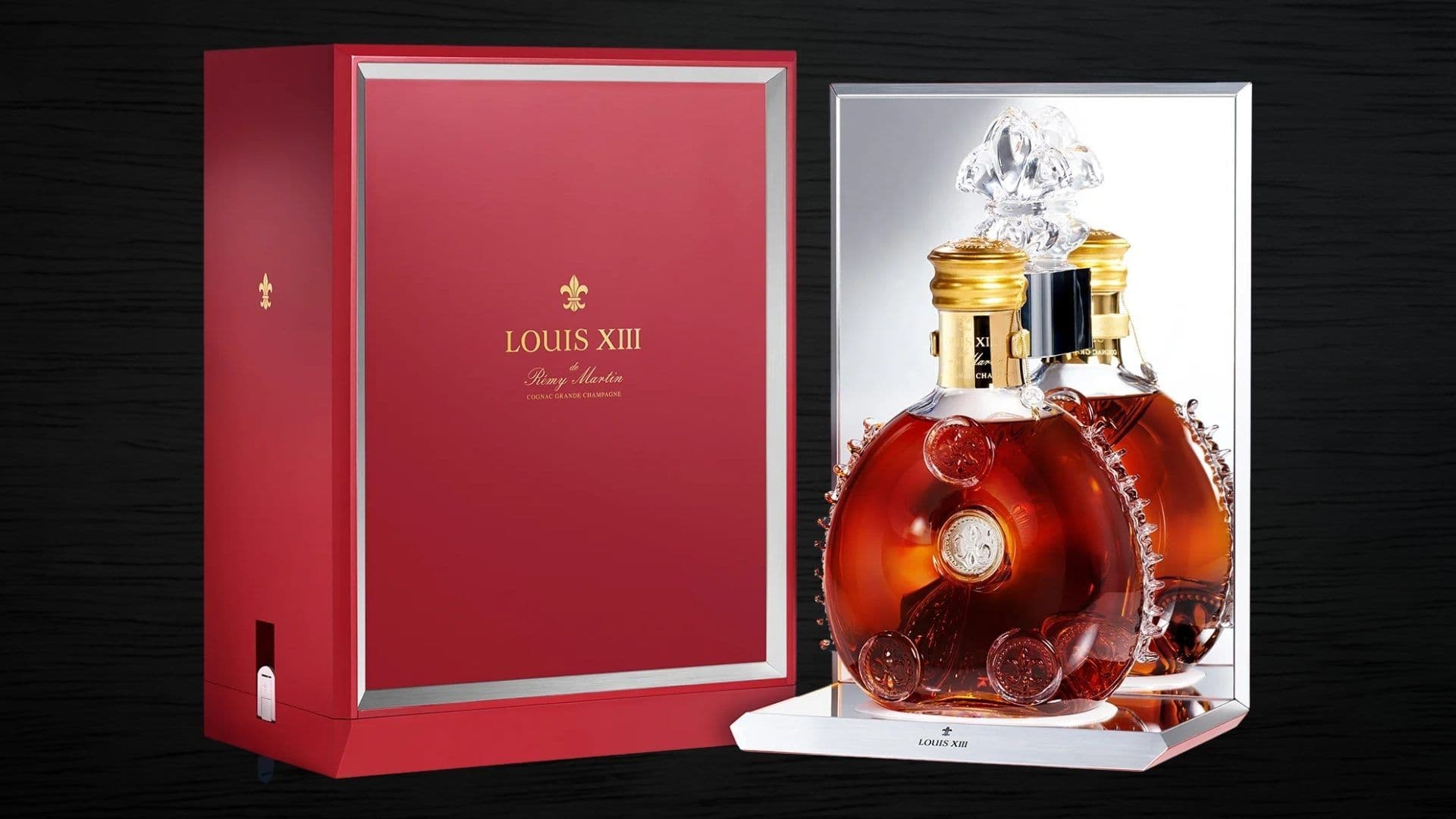
There is a cognac that no single person can claim to have made. Louis XIII, produced by the House of Remy Martin in the Cognac region of southwestern France, is a blend of up to 1,200 individual eaux-de-vie sourced exclusively from Grande Champagne, the most prestigious growth zone in the appellation. The youngest components in any given decanter have aged for at least 40 years. The oldest may exceed a century. This means that the cellar master who selects the eaux-de-vie destined for a future bottling will almost certainly never taste the finished product. The work is handed forward, generation to generation, each custodian trusting that their predecessor chose well and that their successor will do the same.
This multigenerational commitment is not marketing language. It is the literal production reality of a spirit whose creation spans longer than most human careers. Louis XIII was first bottled in 1874 by Paul-Emile Remy Martin, who blended his finest Grande Champagne reserves and presented them in a crystal decanter inspired by a 16th-century flask recovered from a French battlefield. What he created was not simply a superior cognac. It was a category unto itself, a monument to patience and the belief that some things cannot be rushed without being ruined.
Louis XIII is made only from grapes grown in the Grande Champagne cru, the highest-quality region in Cognac. Each bottle is a blend of many different eaux-de-vie, some of which have been aging for multiple generations.
The Soil Beneath the Story
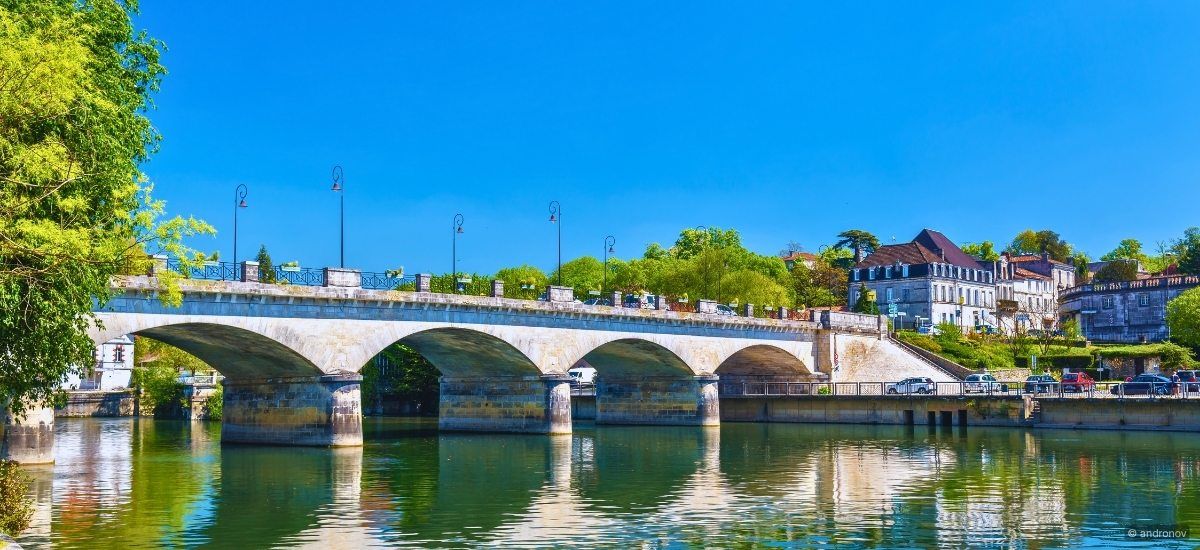
Every drop of Louis XIII begins in the chalky vineyards of Grande Champagne, a landscape of gentle hills and pale, almost white soil in the Charente department. The name has nothing to do with the sparkling wine region to the northeast. It derives from the Latin campania, a reference to the fertile terrain that reminded Roman settlers of the countryside outside Rome. What makes Grande Champagne the premier cru of cognac is its deep bed of cretaceous chalk, a geological inheritance that gives the soil exceptional drainage and mineral composition. Ugni Blanc grapes grown here produce a thin, acidic white wine, unremarkable on its own but ideal for distillation. That wine is double-distilled in copper pot stills, a process Remy Martin performs on the lees, meaning the spent yeast solids remain during distillation, lending the spirit a richer, more concentrated character.
The clear eau-de-vie that emerges from the still is placed into tiercons, a specific type of thin-walled French oak cask made from Limousin forest wood. These barrels are themselves irreplaceable. Tiercons were originally designed for maritime transport and ceased production in 1917, meaning the casks used today are between 100 and 150 years old. Over decades of contact with this ancient wood, the spirit absorbs vanillin, tannins, and the residual character of every previous eau-de-vie those barrels have held. The liquid is periodically moved between casks stored in cellars of varying humidity, allowing different rates of evaporation and oxidation to shape the final character. Less than half a percent of all cognac eaux-de-vie produced in any given year are deemed to possess the aging potential required for Louis XIII.
What Does a Hundred Years Taste Like?
The sensory experience of Louis XIII is unlike that of any other spirit, including other prestigious cognacs. The color is a deep, luminous amber that hints at decades of oak contact. On the nose, the complexity unfolds in layers that shift over the course of an hour or more: dried roses and jasmine give way to honey and candied citrus, then to leather, tobacco, and a faint earthiness that recalls damp forest floor. The palate is remarkably balanced, offering dried stone fruit, fig, baking spice, and cocoa alongside a savory quality that lingers through an extraordinarily long finish. This is a cognac that rewards patience in the glass just as it demanded patience in the cellar.
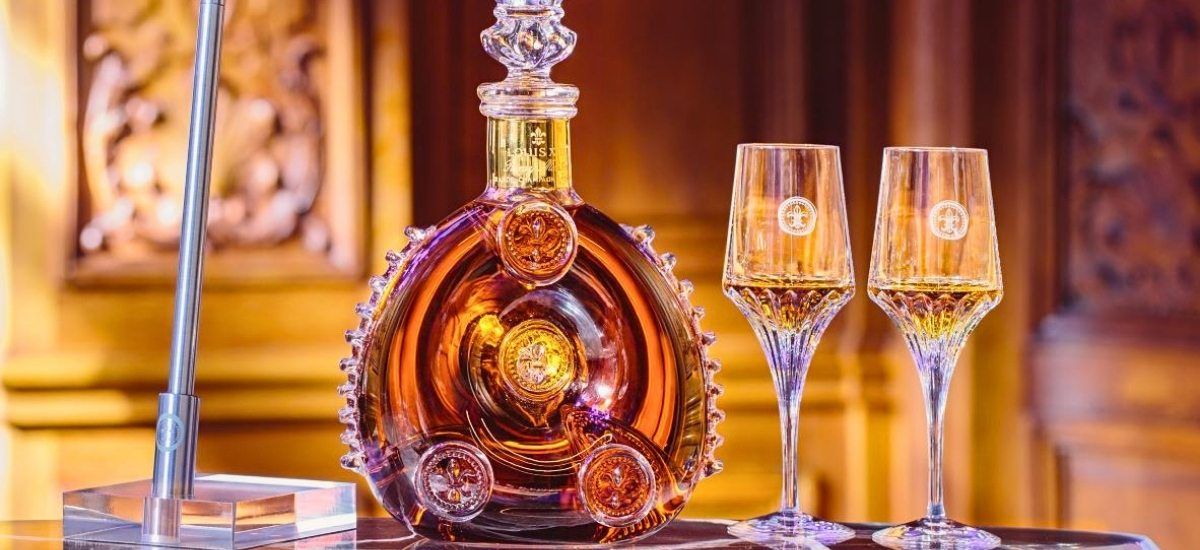
The ritual surrounding its service has become part of the experience. In fine dining establishments from Las Vegas to Hong Kong and Singapore, sommeliers present Louis XIII tableside from dedicated carts, pouring with a crystal pipette into proprietary glassware designed to concentrate aromatics without warming the liquid. A single pour in these settings can cost several hundred dollars, a price that reflects not just the liquid but the theater of the moment. The decanter itself, hand-blown by artisans at Baccarat or Saint-Louis, is individually numbered and adorned with fleurs-de-lis and 20-carat gold. It is as much a collector's object as a vessel for cognac.
A Symbol That Travels
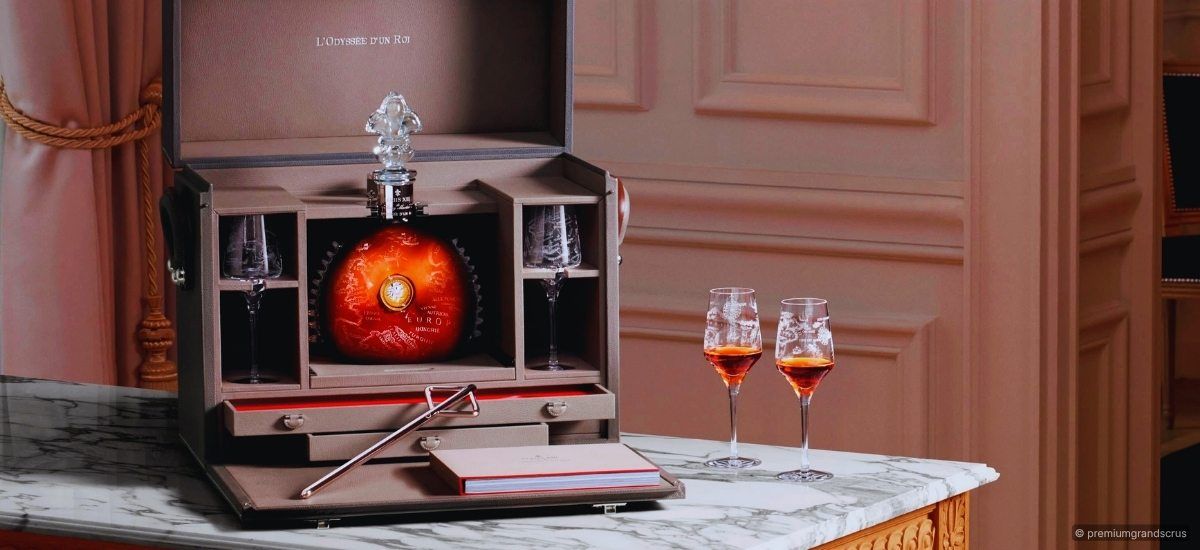
Louis XIII understood its global audience long before most spirits brands thought in those terms. Cases were shipped to Shanghai as early as 1883, less than a decade after the cognac's creation, and to the United States in the same era. The spirit traveled aboard the Orient Express in 1929 and was served in first class on the maiden voyage of the Normandie in 1935. It has been a fixture at royal courts from Austria-Hungary to Sweden and has appeared at state dinners and private collections across six continents. Its first standalone boutique opened in Beijing in 2016, followed by London and Hangzhou, each designed as immersive luxury experiences rather than traditional retail.
In East and Southeast Asian markets particularly, Louis XIII occupies a singular position at the intersection of connoisseurship and cultural gifting. Cognac has deep roots in Chinese business and social customs, where presenting a bottle of exceptional spirits carries meaning that transcends the liquid itself. Louis XIII sits at the apex of that tradition, a symbol of generosity and discernment that communicates without explanation. The brand has reinforced this positioning through collaborations that emphasize legacy, including a film with John Malkovich locked in a vault until 2115 and a Pharrell Williams composition sealed until 2117, each mirroring the century-long horizon of the cognac itself.
The Takeaway
Louis XIII is not a spirit most people will drink regularly, and it was never designed to be. It exists as a testament to an idea that runs counter to modern commerce: that the finest things require not just skill but time on a scale that exceeds any individual's control. Four generations of cellar masters may contribute to a single decanter. Casks that can never be replaced hold liquid that will not be ready for decades. The grapes that will become Louis XIII a century from now are already growing in Grande Champagne, tended by farmers whose grandchildren may never taste the result.
What makes Louis XIII more than a luxury trophy is the substance behind the symbolism. The production is genuinely extraordinary, the terroir is singular, the aging process is without parallel in the spirits world, and the sensory experience delivers on the promise that all of that effort implies. Whether encountered tableside at a Michelin-starred restaurant or studied quietly at home from a single precious pour, the invitation is the same: to slow down, to recognize that a century of craft is sitting in the glass, and to understand that some pleasures exist precisely because someone, a long time ago, decided they were worth waiting for.
Frequently Asked Questions
What is Louis XIII Cognac?
Louis XIII is a prestige cognac produced by Rémy Martin, made from a blend of very old eaux-de-vie sourced exclusively from the Grande Champagne region of Cognac.
How old is Louis XIII Cognac?
The blend contains eaux-de-vie aged between approximately 40 and 100 years, with some components older.
Why is Louis XIII so expensive?
The high price comes from extremely long aging, limited supply of old eaux-de-vie, intricate blending, and the handcrafted crystal decanter each bottle is presented in.
What does Louis XIII taste like?
It typically shows complex aromas of dried fruit, spice, leather, tobacco, nuts, honey, and floral notes, with an extremely long and smooth finish.
How should Louis XIII be served?
It is best served neat in a crystal glass at room temperature and sipped slowly to appreciate its complexity and aromatics.