A Short History of the Cocktail
The people, ingredients and social changes that transformed mixed drinks into cocktail culture.
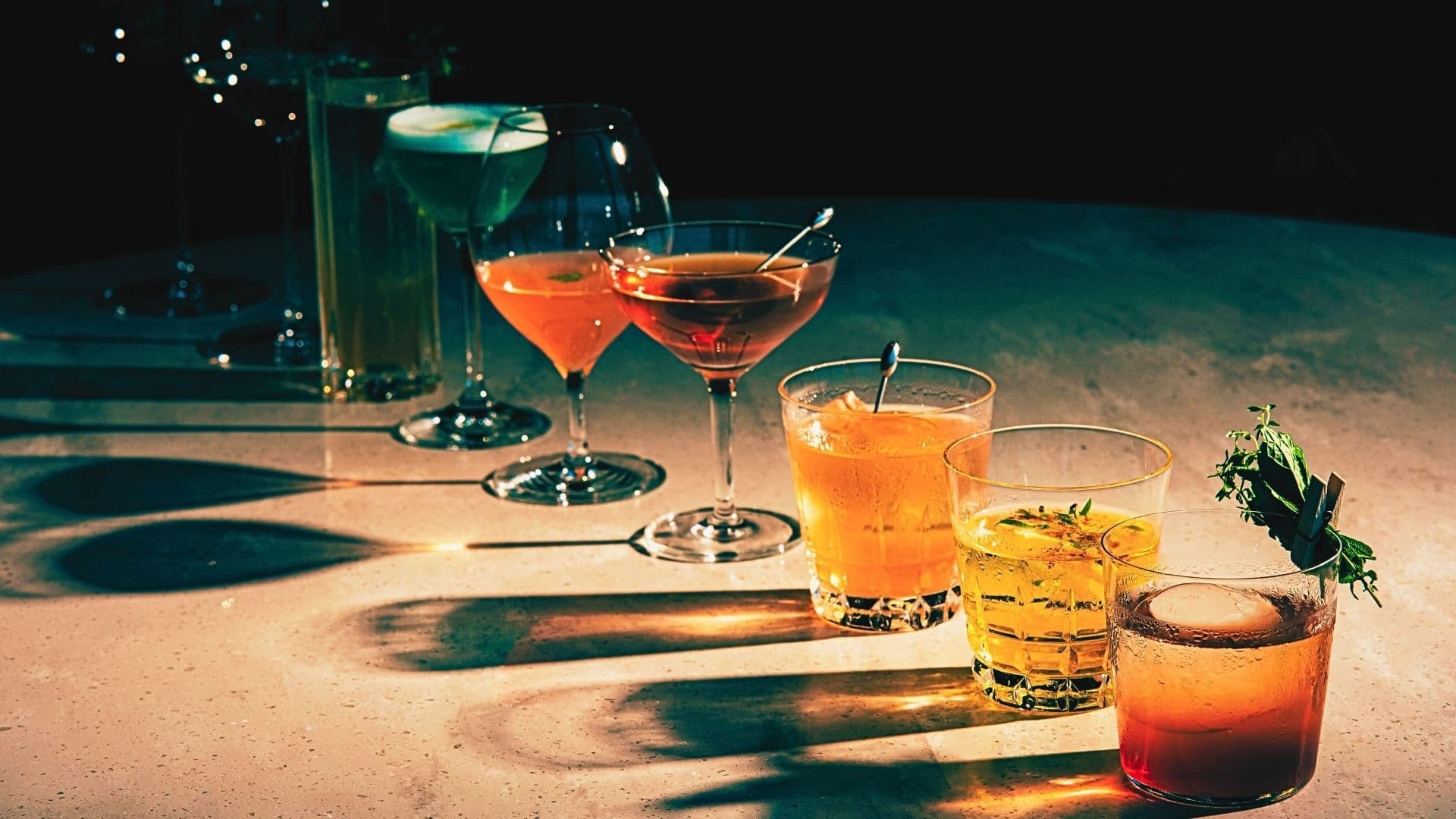
The word cocktail is so familiar that it barely registers as a word at all. It names a category so broad that it now covers nearly anything alcoholic and mixed, from a two-ingredient highball to an architectural creation involving foams and smoke. Yet this expansiveness is a modern development. For most of its life the term meant something narrow, specific, and a little disreputable, and the journey from that tight original definition to today's boundless usage traces the entire arc of how people learned to drink for pleasure rather than mere effect.
The cocktail began long before the Martini. Its roots stretch through punch, toddies, bitters, sugar, spirits and the first American bars, eventually developing into a recognizable category during the early nineteenth century.
That journey runs through New York newspapers and Gold Rush saloons, through the grand hotel bars of the Gilded Age, and finally through the great irony of Prohibition, the American law that tried to end drinking and instead exported American drinking culture to the world. Understanding where the cocktail came from turns an ordinary evening ritual into something with real historical weight.
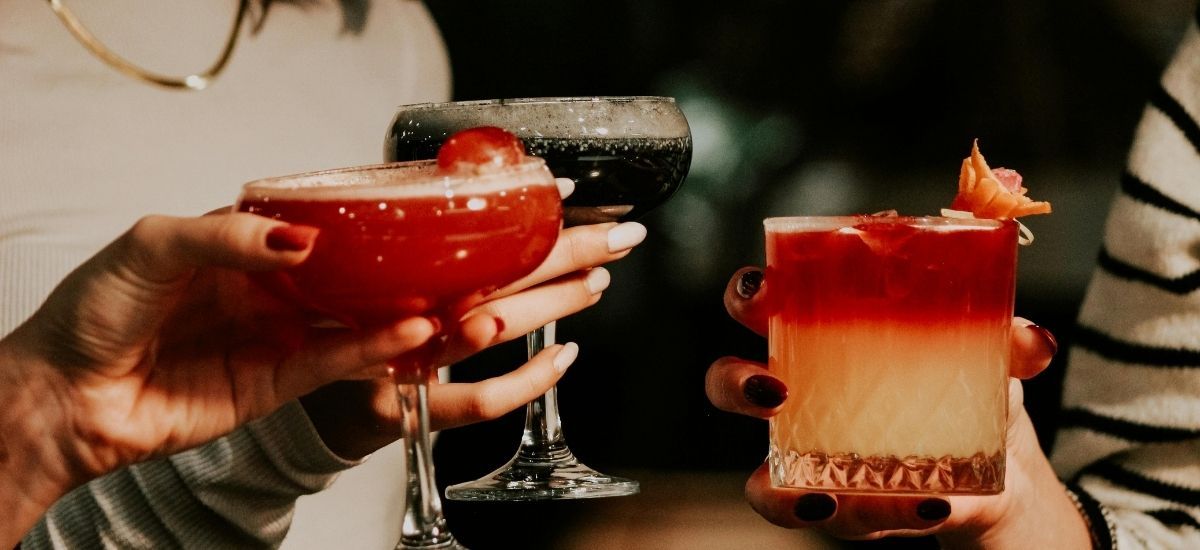
A Word Is Born
For centuries people drank their alcohol either straight or in communal punch bowls, large shared vessels of spirit, citrus, sugar, and spice ladled out at gatherings. The cocktail as a distinct idea marks the moment that bowl was shrunk to a single serving and its contents redefined. The word itself first surfaced in a London newspaper in 1798 and appeared in American print by 1803, but its founding document is a reply printed in a Hudson, New York, paper called The Balance and Columbian Repository.
On May 13, 1806, responding to a puzzled reader who wanted to know what the strange new word meant, the editor supplied the definition still celebrated today. A cocktail, he wrote, was a stimulating liquor composed of spirits of any kind, sugar, water, and bitters. He noted it was vulgarly called a bittered sling and made an excellent electioneering potion, since it rendered the heart stout and bold while it fuddled the head. Those four components mattered enormously, and the bitters especially. That single ingredient is what separated a true cocktail from the older slings and toddies, and anyone who has had an Old Fashioned has tasted essentially that original 1806 formula, largely unchanged after more than two centuries.
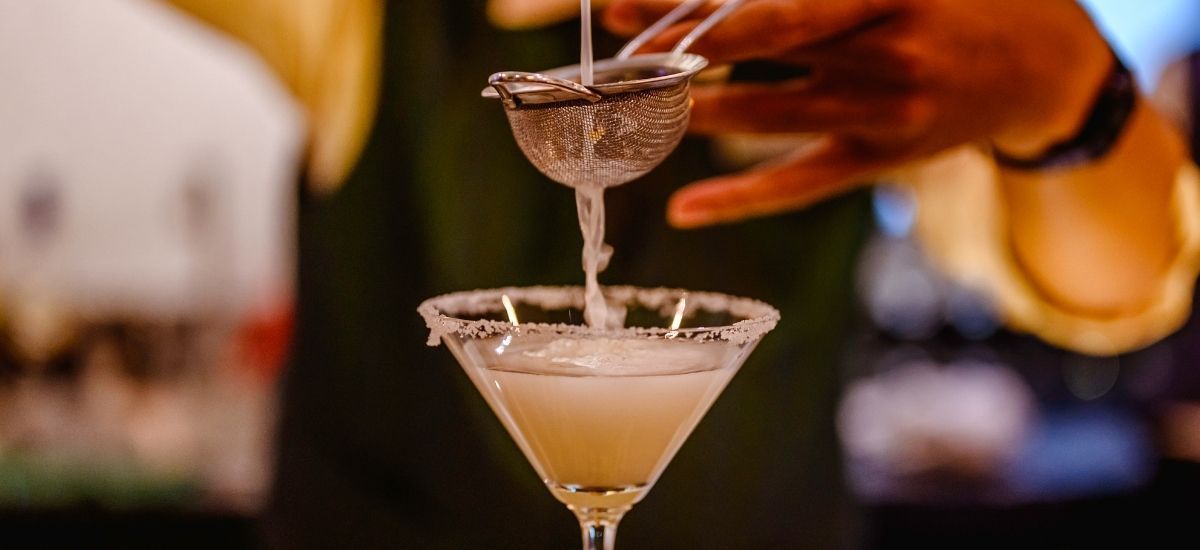
The Professor and the Golden Age
A recipe on paper is one thing; an art form is another, and the transformation of American bartending into a genuine craft owes an enormous debt to a single flamboyant figure. Jeremiah Thomas, universally known as Jerry Thomas and nicknamed the Professor, opened his first bar in New York in 1851 and built a reputation on showmanship, silver tools, and theatrical flair. His signature Blue Blazer involved setting whiskey alight and pouring the flaming liquid in a long arc between two mixing glasses, a piece of pure spectacle that doubled as advertising.
His lasting monument, though, was a book. In 1862, Thomas published The Bar-Tender's Guide, later retitled How to Mix Drinks, the first cocktail recipe book ever printed in the United States. Before it, bartending knowledge passed by word of mouth from one professional to the next, unrecorded and easily lost. Thomas gathered hundreds of recipes into a single authoritative volume, codifying an oral tradition into a written discipline and effectively founding the profession as we know it. His work launched what enthusiasts now call the Golden Age of the cocktail, a period stretching to about 1920 when hotel bartenders became celebrities in their own right and the grand bars of the era served as glittering social hubs for the fashionable and wealthy.
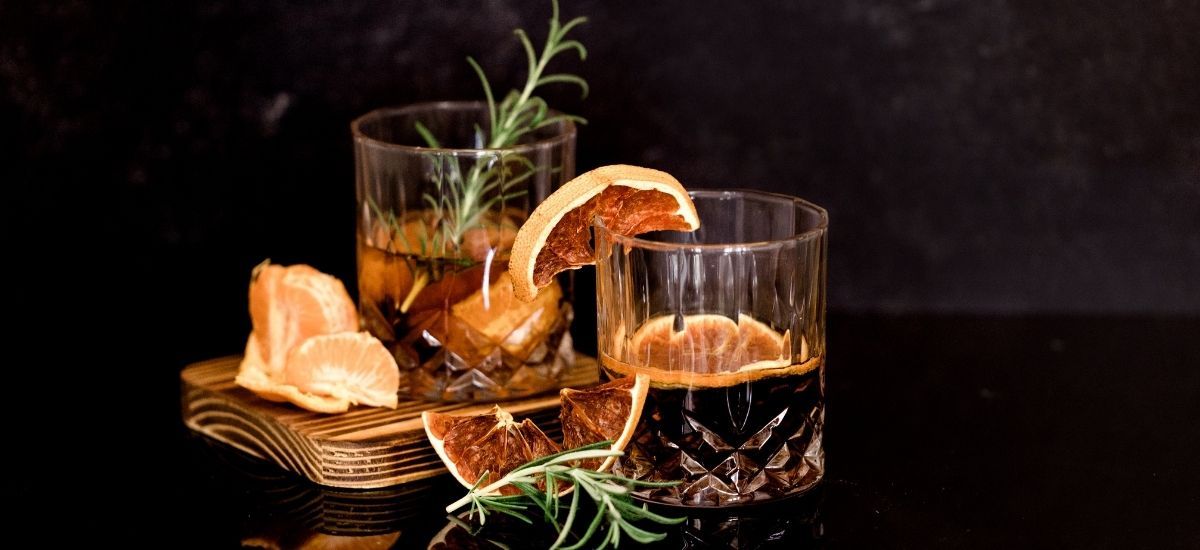
The Great Irony of Prohibition
Then, in 1920, the United States did something remarkable: it banned alcohol outright. The Eighteenth Amendment shuttered every legal bar in the country and drove drinking into the shadows, into the illicit speakeasies whose very illegality lent the cocktail a jolt of glamour it has arguably never lost. Bartenders now had a reason to disguise rough bootleg liquor beneath sugar, citrus, and mixers, and the Roaring Twenties fused cocktails permanently with a spirit of stylish rebellion.
The deeper consequence, however, played out overseas. With their American livelihoods suddenly illegal, the country's finest bartenders packed up their skills and left, carrying American mixology to London, Havana, and above all Paris. There a Scot named Harry MacElhone bought a Paris bar in 1923 and turned Harry's New York Bar into a legendary crossroads, an outpost associated with drinks like the Sidecar and the French 75 and a magnet for expatriate writers and thirsty Americans escaping the dry homeland. The law meant to extinguish American drinking culture instead scattered its practitioners across the globe and seeded sophisticated cocktail scenes far beyond the country's borders. By the time Prohibition was repealed in 1933, the cocktail was no longer merely American. It had become genuinely international.
The history of the cocktail is ultimately a history of adaptation. New ingredients arrived, technology improved, bartenders traveled, drinking habits changed and old formulas were repeatedly reinvented for new generations.
The Takeaway
The history of the cocktail is a study in unintended consequences and quiet reinvention. What began in 1806 as a tightly defined four-part formula, a mild stimulant recommended for winning elections and curing hangovers, gradually loosened into the vast and creative category we know now, capable of absorbing nearly any spirit, technique, or flavor a bartender can imagine. The straight line from that Hudson newspaper to a modern craft bar is not really straight at all, but a series of accidents, personalities, and reversals.
What endures across all of it is the underlying idea, the notion that mixing spirits with other ingredients is worth doing thoughtfully, as a genuine act of craft rather than a shortcut to intoxication. Jerry Thomas insisted on that principle with his silver cups and flaming pours, and the bartenders scattered by Prohibition carried it abroad and proved it could take root anywhere. The cocktail renaissance of recent decades, with its rediscovered classics and reverence for the old recipes, is in many ways simply a return to that founding conviction. The next time a well-made drink arrives, it is worth remembering that it carries two centuries of history, a great deal of it accidental, in a single glass.
Frequently Asked Questions
When was the cocktail invented?
There is no single confirmed moment when the cocktail was invented. Mixed drinks existed for centuries, but the term cocktail became established in the United States during the early nineteenth century.
What was the original definition of a cocktail?
An influential 1806 definition described it as a mixture of spirits, sugar, water and bitters. That structure remains recognizable today in drinks such as the Old Fashioned.
Were cocktails invented in America?
The word cocktail and the early standardized definition are strongly associated with the United States, but the drink evolved from older European, Caribbean and colonial traditions of punch and mixed beverages.
Why was ice so important to cocktail development?
Reliable commercial ice transformed bartending. It allowed drinks to be chilled, diluted and shaken consistently, making possible many of the textures and styles associated with modern cocktails.
What did Prohibition do to cocktail culture?
Prohibition damaged the American bar industry and pushed many skilled bartenders overseas. At the same time, it helped spread American cocktail traditions internationally and contributed to the development of famous bars in Europe and the Caribbean.