A Beverage Lover's Guide to Tea
The most consumed drink on earth after water comes from a single plant species, yet produces a universe of flavor. Here is what every curious drinker should know.
Tea is ancient, ubiquitous, and widely misunderstood. It is the most popular prepared beverage on the planet, consumed by roughly three billion people daily, yet many of those drinkers know little about what they are actually drinking. The foundational fact that transforms how one thinks about tea is this: every true tea, whether white, green, yellow, oolong, black, or Pu-erh, comes from the same plant, Camellia sinensis, an evergreen shrub native to the highlands of southwestern China and cultivated for more than 5,000 years. The diversity of flavor, color, aroma, and body found across the tea world is not a product of different species. It is a product of how the leaf is processed after it is picked.
This single insight opens a door that makes tea far more accessible to beverage professionals and curious drinkers alike. Once you understand that the same leaf can become a pale, delicate white tea or a dark, malty Assam breakfast blend depending on oxidation, heat, and handling, tea stops being an impenetrable catalog of unfamiliar names and starts behaving like a spectrum you can navigate with the same confidence you might bring to wine or spirits. The journey begins, as tea itself does, in China.
Tea is one of the most widely consumed beverages in the world, yet it remains deeply misunderstood outside of its core cultures. At its foundation, all true tea comes from a single plant, Camellia sinensis, with differences in style driven entirely by how the leaves are processed.
Where It All Started
Chinese legend attributes the discovery of tea to the mythical Emperor Shen Nung around 2737 BCE. The story goes that leaves from a wild Camellia sinensis tree blew into a pot of boiling water, producing a brew that the emperor found invigorating and pleasant. Whether the legend is literal or symbolic, the archaeological record confirms that tea was being processed and traded in China by the Han Dynasty, more than 2,000 years ago. It began as medicine, evolved into a ritual beverage among monks and nobility, and eventually became a daily staple across Chinese society. The first comprehensive treatise on tea, Lu Yu's "Classic of Tea," was written during the Tang Dynasty in the 8th century and codified cultivation, preparation, and appreciation practices that remain influential today.
Tea's spread beyond China followed the paths of trade and religion. Buddhist monks carried seeds and brewing traditions to Japan in the 12th century, where tea culture evolved into the highly formalized ceremonies that persist in Japanese practice. Portuguese missionaries encountered tea in China in the 1560s, and the Dutch shipped the first commercial cargo to Europe in 1606. By the 18th century, British demand for tea had grown so enormous that it reshaped global trade, drove the establishment of vast plantations in India and Sri Lanka, and contributed to conflicts from the Opium Wars to the American Revolution. Few agricultural products have exerted as much influence on world history as this unassuming leaf.
One Plant, Six Teas
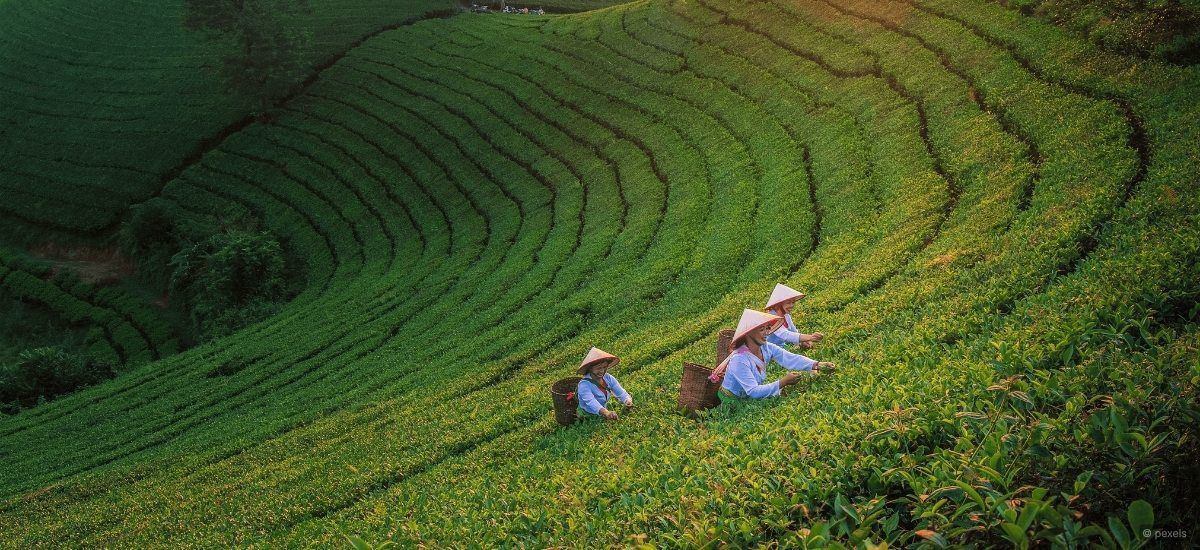
The Camellia sinensis plant exists in two primary varieties. Camellia sinensis var. sinensis is a smaller-leafed plant suited to cooler, high-altitude climates and most common in China and the Himalayas. Camellia sinensis var. assamica has larger leaves, thrives in warmer lowland environments, and dominates production in India, Sri Lanka, and East Africa. Within these two varieties, thousands of cultivars have been developed, each bred for particular traits of flavor, yield, or resilience. The plant favors acidic, well-drained soils, misty hillsides, and moderate temperatures, which is why the finest teas tend to come from high-elevation gardens where cool nights and fog slow the leaf's growth and concentrate its compounds.
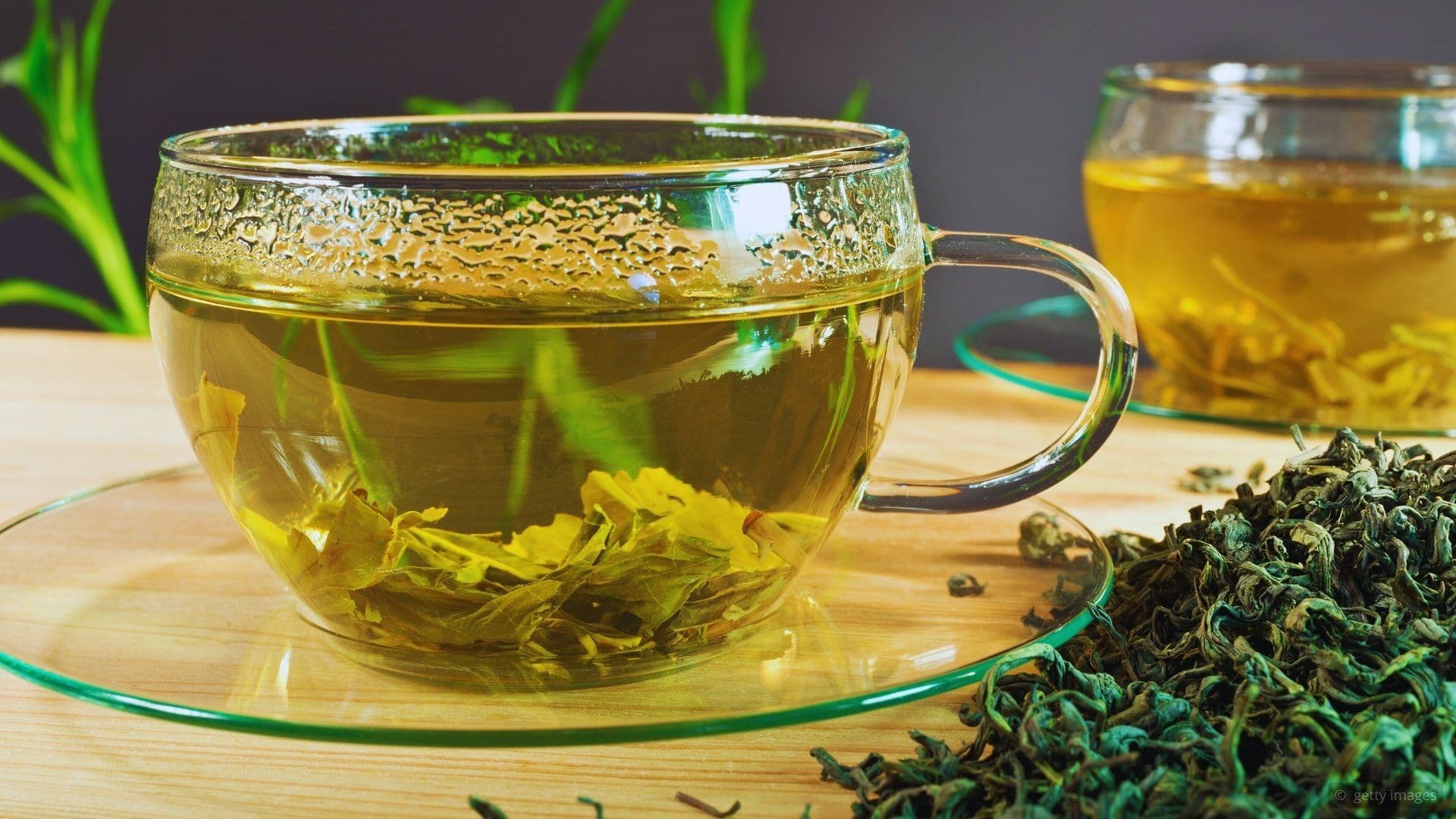
What happens after the leaf is plucked determines the type of tea it becomes. The key variable is oxidation, the enzymatic process by which the leaf darkens and develops deeper, more complex flavors as its cell walls break down and interact with oxygen. White tea is minimally processed and barely oxidized, preserving a delicate, sometimes floral character. Green tea is heated almost immediately after harvest to halt oxidation, yielding bright, vegetal, or grassy notes. Oolong occupies the vast middle ground, partially oxidized to varying degrees, producing flavors that can range from light and floral to rich and roasted. Black tea is fully oxidized, delivering the bold, malty, and tannic qualities familiar to most Western drinkers. Pu-erh, a category unto itself, undergoes microbial fermentation and can be aged for years or decades, developing earthy, woody complexity that deepens with time.
What Geography Puts in the Cup
Tea is grown commercially in more than 40 countries, but the major producing regions each contribute distinctive character. China remains the world's largest producer, responsible for styles ranging from the delicate Longjing green teas of Zhejiang to the smoky Lapsang Souchong of Fujian and the aged Pu-erh's of Yunnan. India is the second-largest producer, known for the strong, malty black teas of Assam, the muscatel Darjeeling teas from the Himalayan foothills, and the fragrant Nilgiris of the south. Japan focuses almost exclusively on green tea, producing steamed sencha, the shade-grown umami intensity of gyokuro, and the powdered matcha that has become a global phenomenon. Sri Lanka's Ceylon teas vary by elevation, with high-grown offerings delivering bright, citrusy profiles and low-grown teas providing fuller body. Kenya, the world's leading exporter, produces bright, brisk black teas primarily through the CTC method that makes them ideal for blending.
For the drinker approaching tea with the same curiosity they might bring to wine regions or whisky styles, the reward is a comparable depth of geographic expression. Altitude, soil composition, humidity, and timing of harvest all influence the finished cup. A first-flush Darjeeling picked in spring will taste markedly different from a second-flush picked in summer from the same garden, just as a high-mountain Taiwanese oolong will bear little resemblance to a roasted Wuyi rock oolong from Fujian despite both being classified under the same broad category.
Tea represents one of the most elegant expressions of how processing can define a beverage. From delicate white teas to deeply complex aged Pu-erh, the range of styles is vast yet unified by a single plant. For beverage professionals, tea offers a new lens through which to understand flavor, structure, and terroir.
The Takeaway
Tea deserves the same thoughtful attention that beverage enthusiasts routinely give to wine, spirits, and craft coffee. Its range of flavor is arguably broader than any of those categories, spanning the whisper-soft sweetness of a silver needle white tea to the campfire depth of a smoked Zhengshan Xiaozhong to the brisk astringency of a Kenyan breakfast blend. Its health profile is well documented, with polyphenols, catechins, and L-theanine contributing antioxidant and calming properties that have been studied extensively. And its cultural footprint is unmatched: no other beverage has shaped the daily rituals of as many civilizations across as many centuries.
The entry point is simple. Choose a tea from each of the major categories, brew it with care, and pay attention. Notice how a green tea's vegetal brightness differs from an oolong's layered warmth. Notice how a Pu-erh's earthy depth occupies a completely different sensory space than a Darjeeling's floral lift. The plant is the same. The processing, the geography, and the traditions of the people who tend it create the differences. For anyone who has found pleasure in tracing a wine back to its vineyard or a whisky to its region, tea offers the same satisfaction, multiplied across a spectrum that few other beverages can match.
Frequently Asked Questions
What is tea made from?
All true tea is made from the leaves of the Camellia sinensis plant, with differences in style determined by processing methods.
What are the main types of tea?
The six primary categories are white, green, yellow, oolong, black, and dark (including Pu-erh), each defined by oxidation and processing techniques.
How is tea processed?
Tea processing typically involves withering, rolling, oxidation, and drying, with variations in each step creating different styles.
What is oxidation in tea?
Oxidation is the chemical reaction that occurs when tea leaves are exposed to oxygen, influencing color, aroma, and flavor.
How does terroir affect tea?
Like wine, tea reflects its environment, including soil, altitude, climate, and cultivation practices.
What is the difference between green and black tea?
Green tea is minimally oxidized, preserving fresh, vegetal notes, while black tea is fully oxidized, resulting in darker, richer flavors.
Is herbal tea actually tea?
No, herbal infusions are not true tea because they are not made from Camellia sinensis.