Sake is Japan's Sacred Beverage Offering
Beyond misconceptions and mispronunciations lies a sophisticated beverage that embodies Japanese craftsmanship, requiring more precision than wine and more artistry than beer.
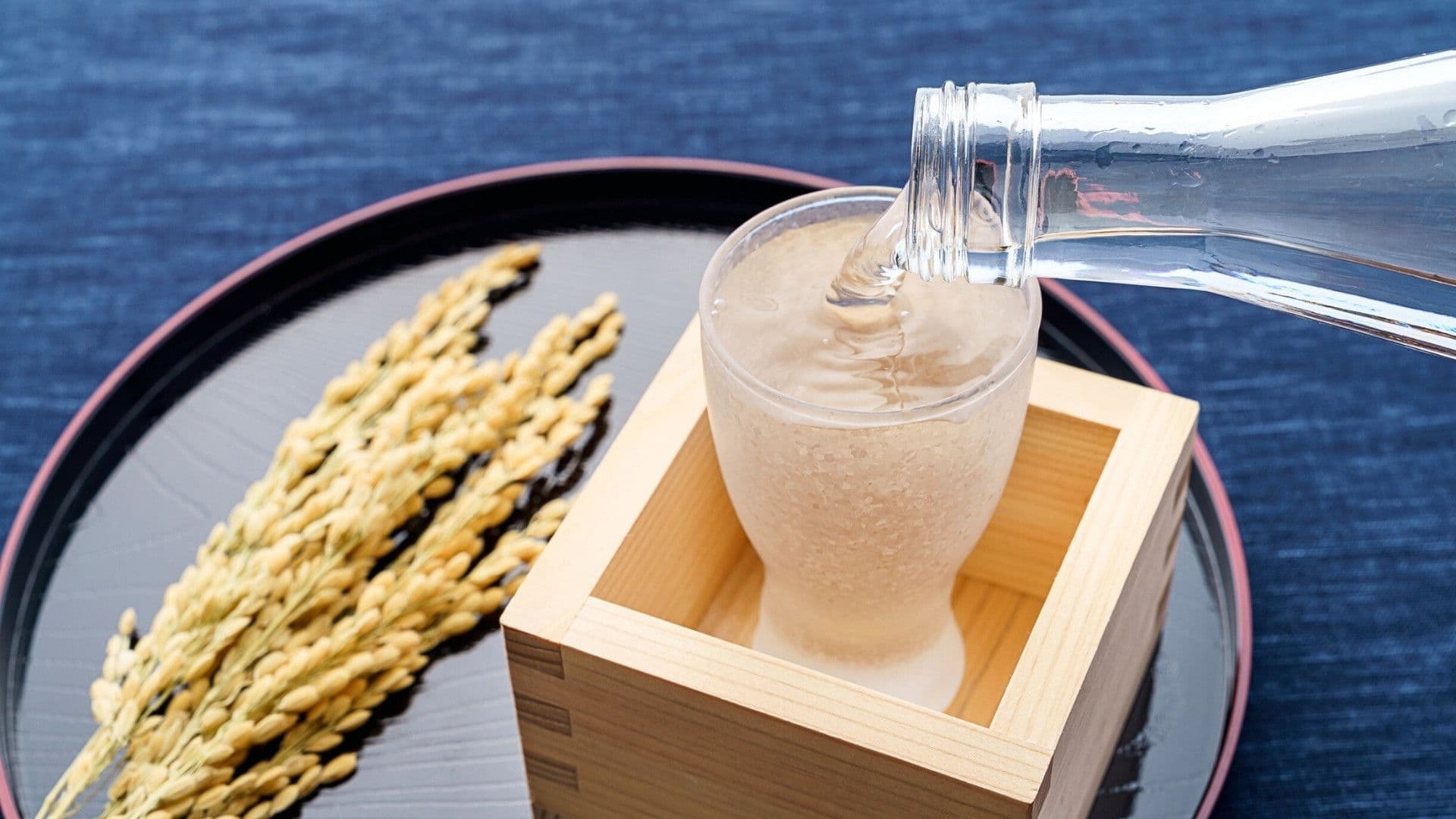
Sake occupies a unique position in the beverage world, neither wine nor spirit but a fermented rice beverage that achieves complexity rivaling any agricultural alcohol. This Japanese national drink, properly called nihonshu in Japan, transforms polished rice through parallel fermentation into an elegant beverage ranging from 14-20% alcohol by volume. The production process combines elements of brewing and fermentation that predate modern science by centuries, yet employs techniques so precise that microscopic variations dramatically impact final character.
Sake's cultural significance extends far beyond mere consumption, interweaving with Shinto rituals, seasonal celebrations, and social customs that define Japanese identity. Western appreciation has exploded recently as consumers discover sake's remarkable food compatibility, diverse flavor profiles, and ability to express terroir through rice variety, water source, and brewing philosophy. Understanding sake requires abandoning preconceptions about serving temperature, quality indicators, and appropriate occasions, embracing instead a beverage tradition that values subtlety, balance, and harmony above intensity.
Sake is brewed rather than distilled, using rice, water, yeast and koji mold, making its production closer to beer in process but unique in technique and flavor.
The Alchemy of Rice Transformation
Sake production begins with polishing rice to remove outer layers containing proteins and fats that create unwanted flavors, with premium sakes using rice milled to 50% or less of original size. This polishing ratio, called seimai-buai, serves as one quality indicator, though skilled brewers can craft exceptional sake from less-polished rice through technique and intention.
The critical innovation distinguishing sake involves koji mold (Aspergillus oryzae), which converts rice starch into fermentable sugars while yeast simultaneously ferments those sugars into alcohol, a parallel process unique among beverages. Multiple additions of rice, koji, and water occur over four days, building the fermentation mash called moromi that bubbles for typically three to five weeks at carefully controlled temperatures. Unlike wine's single fermentation or beer's sequential conversion and fermentation, sake's simultaneous processes create complexity and achieve higher alcohol levels naturally without distillation. Water quality proves paramount, with famous brewing regions like Fushimi and Nada possessing specific mineral profiles that define regional styles.
The toji (master brewer) orchestrates countless variables including rice variety, polishing ratio, koji cultivation, yeast selection, fermentation temperature, and pressing method, each decision impacting the final profile from crisp and light to rich and umami-laden.
Cultural Context and Classification Systems
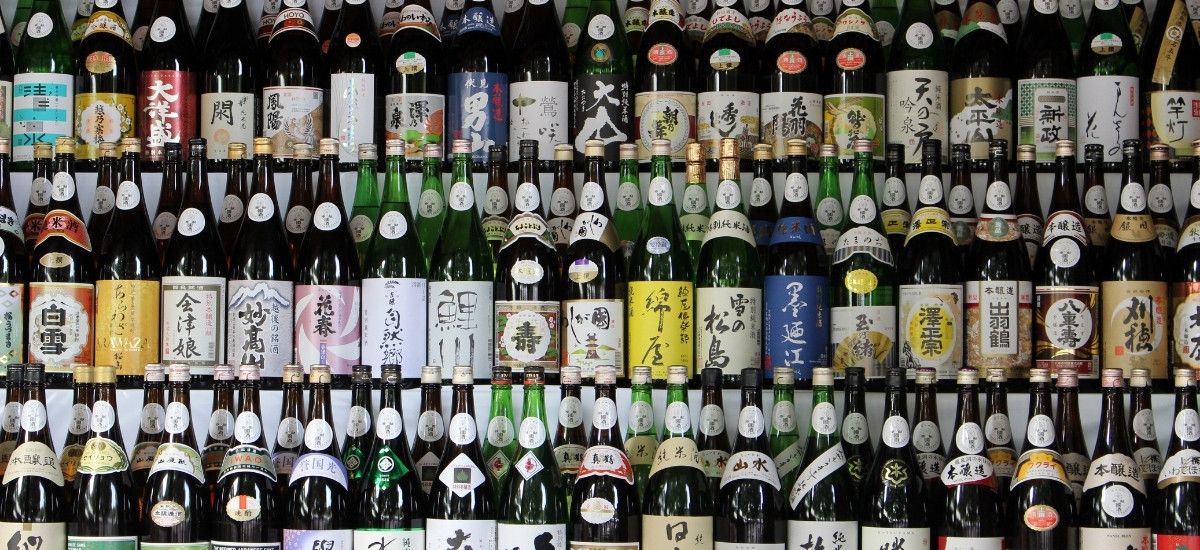
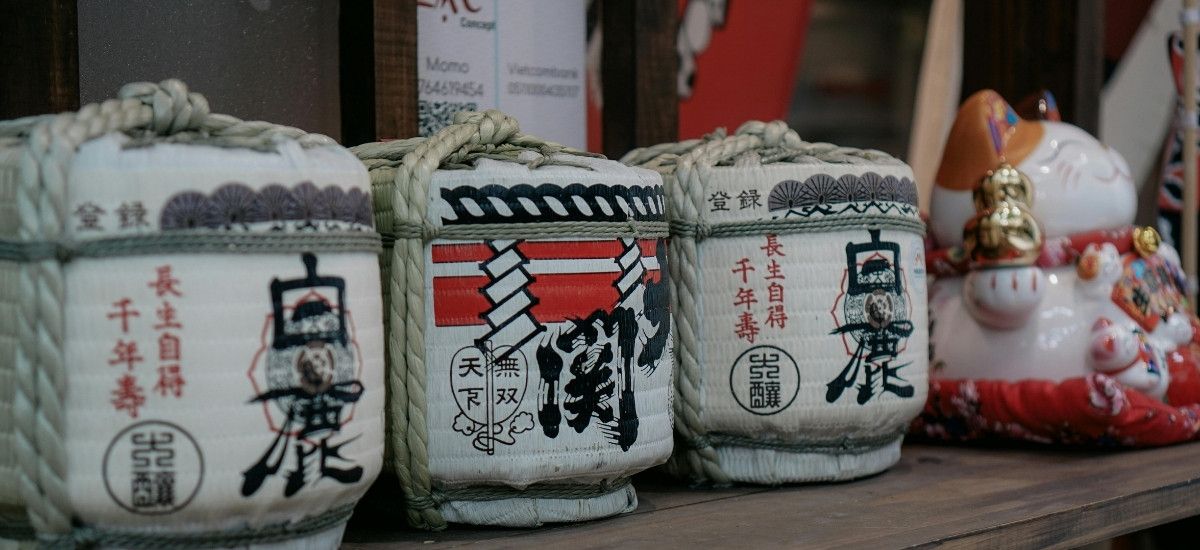
Sake's role in Japanese culture transcends beverage to embody spiritual significance, social lubricant, and artistic expression reflecting seasonal changes and regional identity. Shinto ceremonies employ sake for purification and celebration, with special occasions demanding specific styles like ceremonial gold-flaked sake for New Year or unpasteurized namazake celebrating spring's arrival. The traditional system of kan (warm) and rei (cold) serving temperatures has evolved into precise degree specifications that optimize different sake styles, debunking the myth that quality sake should only be served chilled.
Premium sake classifications include Junmai (pure rice), Honjozo (small alcohol addition), Ginjo (highly polished, aromatic), and Daiginjo (ultra-premium), with each category reflecting production method rather than hierarchical quality. Regional variations express local preferences: Niigata's clean, dry style versus Hiroshima's soft, slightly sweet approach, demonstrating how water sources and brewing traditions create distinctive identities. The social protocols surrounding sake service, from never pouring one's own glass to the ritual of exchanging cups, reinforce communal bonds and respect. Modern izakaya culture has democratized sake appreciation while craft sake breweries, called sakagura, increasingly welcome visitors, spreading knowledge and breaking down barriers between producer and consumer.
Global Expansion and Modern Evolution
Sake's international journey accelerated through Japanese cuisine's global proliferation, though misconceptions persist about quality, serving methods, and pairing possibilities beyond Japanese food. Premium sake exports have grown exponentially as sommeliers discover sake's lower acidity and absence of tannins create unique pairing opportunities with challenging foods like asparagus, eggs, and chocolate. American and European sake breweries now operate successfully, using local ingredients while respecting traditional techniques, demonstrating sake's potential beyond Japanese borders. The craft sake movement parallels wine's natural movement, with brewers exploring indigenous yeasts, ancestral methods, and minimal intervention techniques that highlight rice and terroir expression.
Sparkling sake, aged sake, and wine yeast experiments push boundaries while respecting fundamental principles, attracting younger consumers seeking novel experiences. The challenge of sake education remains significant, with terminology barriers and classification complexity intimidating newcomers accustomed to simpler wine categories. Temperature versatility represents sake's unique advantage, as the same bottle can deliver completely different experiences when served at various temperatures from near-freezing to gently warmed. Sustainability initiatives include reducing water usage, reviving heirloom rice varieties, and converting brewing byproducts into food and cosmetics, addressing environmental concerns while maintaining tradition.
The Takeaway
Sake deserves recognition alongside wine and spirits as a sophisticated beverage capable of extraordinary complexity, food compatibility, and cultural expression that extends far beyond stereotypical assumptions. The precision required in sake production exceeds most beverages, where fractional differences in polishing ratios or temperature variations create dramatic flavor changes, rewarding careful attention and repeated exploration. Understanding sake enriches culinary experiences by providing pairing options that complement foods challenging for wine, particularly fermented, pickled, and umami-rich preparations common in modern cuisine. The beverage's relatively low alcohol content and absence of congeners that cause harsh hangovers make sake particularly suitable for extended dining and social occasions.
Climate change threatens traditional brewing seasons while creating opportunities for innovation in temperature control and ingredient sourcing that may redefine future sake production. The democratization of sake knowledge through english-language resources, sake sommelier programs, and brewery visits enables appreciation without requiring Japanese language fluency. Ultimately, sake represents humanity's ability to transform simple grain into liquid art through patience, precision, and respect for natural processes, offering discoveries that reward curious drinkers willing to explore beyond familiar beverage categories.