Rum and the Architecture of Modern Trade
Before it was a cocktail ingredient, rum was a global currency. Its history is inseparable from the forces that built the modern commodity economy.

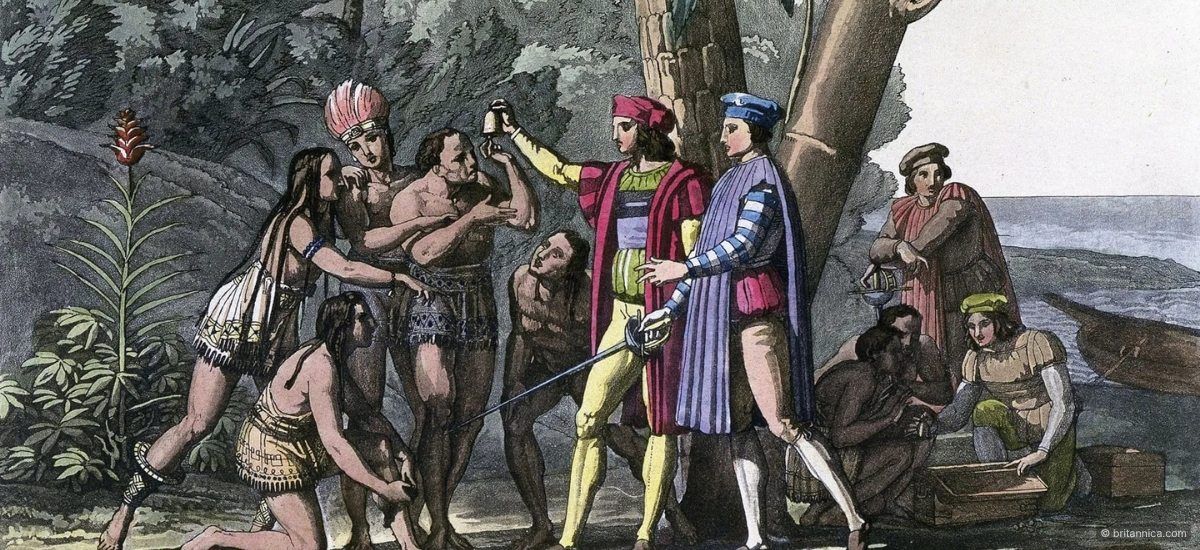
Rum does not begin as a spirit. It begins as sugarcane, a tall tropical grass that originated in New Guinea roughly 10,000 years ago, traveled westward through Islamic trade routes to the Mediterranean by the 8th century, and arrived in the Caribbean in the hold of a ship captained by Christopher Columbus in 1493. That single agricultural transplant set in motion a chain of events that would reshape the economies of three continents, fuel the largest forced migration in human history, and establish many of the patterns of global commodity trading that persist to this day. Rum was not an incidental byproduct of this transformation. It was the engine that made it profitable.
Understanding how a distilled spirit made from leftover molasses came to occupy the center of transatlantic commerce requires looking beyond the bottle. The story of rum is a story of the Columbian Exchange, the triangular trade, the plantation system, and the emergence of commodification as a driving force in Western economies. It is also, inescapably, a story of human suffering on an enormous scale. To study rum's history honestly is to confront the full complexity of how the modern commercial world was built.
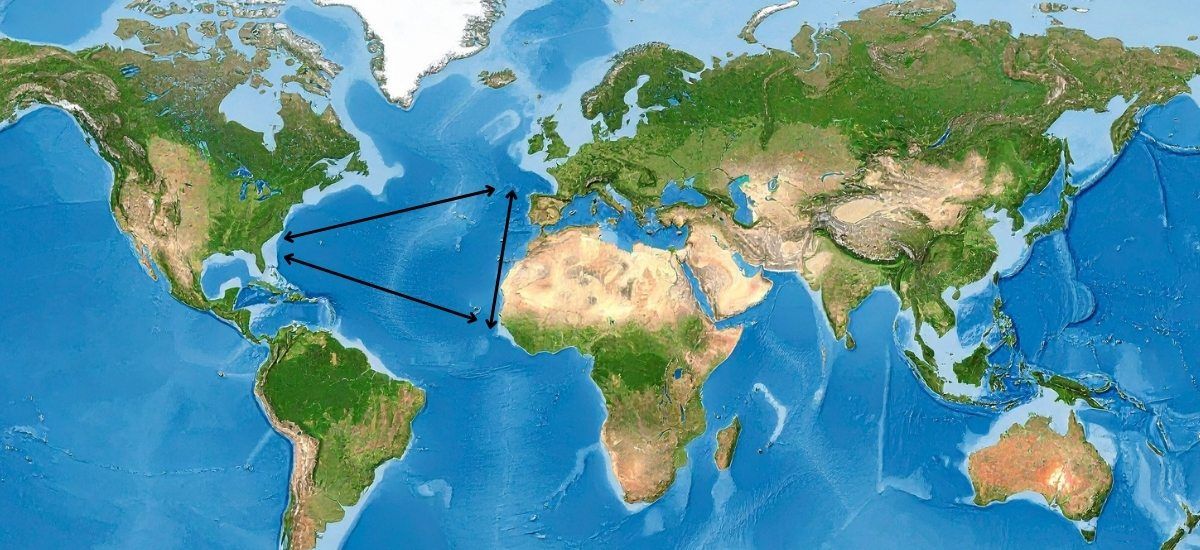
Rum is more than a distilled spirit; it is a product deeply tied to the origins of global trade and economic systems that still shape the modern world. Born from the sugar economies of the Caribbean, rum became a key commodity in the Triangle Trade, linking Europe, Africa, and the Americas in a continuous exchange of goods, labor, and capital.
Sugar, Slavery, and a Byproduct That Changed Everything
When Europeans established sugar plantations across the Caribbean in the 16th and 17th centuries, they created the most profitable agricultural enterprise the world had ever seen. By the 1700s, sugar was the most important internationally traded commodity on the planet and accounted for roughly a third of the entire European economy. The labor required to produce it was staggering: clearing land, planting cane, harvesting by hand, crushing the stalks in mills, and boiling the extracted juice into crystallized sugar in brutally hot refineries. Indigenous Caribbean populations had been devastated by diseases brought from the Old World, and European colonizers could not recruit enough voluntary workers. The result was the transatlantic slave trade, which over three centuries forcibly transported an estimated 9.5 million Africans to the Americas, the vast majority to sugar-producing regions.
It was on these same plantations that rum was born. Enslaved workers discovered that molasses, the dark, viscous byproduct of sugar refining that planters often discarded, could be fermented and distilled into a potent spirit. The earliest written reference to this new liquor appears in a 1651 Barbados document describing it as "Rumbullion, alias Kill-Devil," a "hot, hellish, and terrible liquor." What the planters quickly recognized was that molasses, which had been a waste product, now represented a second revenue stream from the same crop. Sugar plantations could produce two highly profitable commodities with virtually no additional raw material. This economic efficiency would prove transformative, not just for the Caribbean but for the entire Atlantic world.
The Triangle That Built an Economy
Rum's commercial importance crystallized in the triangular trade, the three-legged transatlantic network that connected Europe, West Africa, and the Americas from the 16th through the 19th centuries. The pattern operated with brutal efficiency. New England merchants purchased molasses from Caribbean plantations and shipped it to distilleries in Massachusetts, Rhode Island, and Connecticut, where it was converted into rum. That rum was then loaded onto ships bound for the west coast of Africa, where it was exchanged, along with textiles and manufactured goods, for enslaved Africans. The enslaved captives were transported across the Atlantic on the Middle Passage and sold to plantation owners in the Caribbean and the American South, who used the proceeds to produce more sugar and molasses. The cycle renewed itself continuously.
This was not a minor commercial activity. By the early 18th century, New England had become one of the largest rum-producing regions in the world, and the spirit was the colonies' most significant manufactured export. Rhode Island alone operated more than 30 distilleries. The trade also introduced patterns that would define modern commodity markets: the conversion of raw materials into finished goods across multiple geographies, the use of one commodity as currency to acquire another, and the financing of trade voyages through speculative investment. When the British Parliament attempted to control this system through the Molasses Act of 1733, imposing steep duties on foreign molasses, American merchants responded with widespread smuggling. The resentment generated by subsequent enforcement, including the Sugar Act of 1764, became one of the grievances that propelled the colonies toward revolution.
The Blueprint for Global Commerce
The rum trade did not merely participate in the emerging global economy. It helped design the architecture. The triangular system demonstrated that enormous wealth could be generated not by producing a single commodity but by controlling the connections between production, processing, and distribution across an international network. This insight, that value accumulates most powerfully at the intersections of a supply chain rather than at any single point, remains foundational to commodity trading today. The merchants who profited most from the rum trade were rarely the planters who grew the cane or the distillers who made the spirit. They were the intermediaries who managed the flow of goods, capital, and labor between continents.
The Columbian Exchange, the vast transfer of plants, animals, diseases, and peoples between the Old and New Worlds, provided the biological foundation for this system. Sugarcane was an Old World crop transplanted to New World soil and cultivated by enslaved African labor, producing a commodity refined in one hemisphere and consumed in another. Rum emerged from this intersection as something unprecedented: a globally traded manufactured good derived from an agricultural byproduct, produced in the tropics, refined in temperate climates, and used as currency on a third continent. The financial instruments, insurance mechanisms, and trade regulations developed to manage this flow laid groundwork that later generations would apply to cotton, tobacco, petroleum, and every major commodity that followed.
Understanding rum is not just about understanding a spirit, but about understanding the origins of global trade, the evolution of commodity markets, and the historical systems that continue to influence the modern economy.
The Takeaway
Rum's place in history extends far beyond the glass. It is woven into the foundations of modern commodity trading, international finance, and the global supply chains that define contemporary commerce. The triangular trade routes that carried molasses, rum, and human beings across the Atlantic were among the first truly international commercial networks, and the economic logic they established, converting raw materials into finished goods across multiple markets, financing voyages through speculative capital, persists in recognizable form in today's commodity exchanges.
None of this history is comfortable, and it should not be. The wealth generated by rum and sugar was built on a system of forced labor that represents one of the most profound moral failures in recorded history. To understand rum today without acknowledging that foundation is to understand it incompletely. But the history also reveals something about the spirit's enduring significance: rum was never just a drink. It was a currency, a catalyst for revolution, a driver of innovation in trade finance, and one of the first products to demonstrate that a global economy was not only possible but inevitable. Every bottle carries that weight, whether the drinker chooses to notice it or not.
Frequently Asked Questions
Why is rum important in economic history?
Rum was one of the first globally traded consumer goods tied to large-scale agricultural production, labor systems, and international shipping networks.
How is rum connected to sugar production?
Rum is distilled from molasses, a byproduct of sugar production, making it directly tied to the massive sugar plantations of the Caribbean.
What is the Columbian Exchange?
The Columbian Exchange refers to the widespread transfer of crops, animals, people, and diseases between the Old World and the New World following European exploration of the Americas.
What is the Triangle Trade?
The Triangle Trade was a transatlantic trading system connecting Europe, Africa, and the Americas, involving the exchange of goods, enslaved people, and raw materials.
What role did rum play in the Triangle Trade?
Rum was produced in the Caribbean from sugar byproducts and traded to Europe and North America, often used as a currency in trade, including in the exchange for enslaved people.
